The Best Fluffy Pancakes recipe you will fall in love with. Full of tips and tricks to help you make the best pancakes.

Most folks don’t realize that a first senior bus tour feels a lot like visiting an old friend—you know, familiar routes, plenty of stops, and a steady pace that keeps everything manageable. It’s not a race or a frantic rush; it’s about seeing new places without losing your footing or feeling overwhelmed, with all the little routines that make travel easier—sharing stories over lunch, sitting in a comfy seat, or taking a quiet moment to breathe. But there are a few tricks to make it smooth sailing, and that’s what we’re here to sort out.
Planning Your First Trip: Essential Preparations

Before you pack your bags or tell your friends about the trip, it’s smart to step back and do a little planning. First, think about your insurance options—making sure you’re covered in case of an accident or sudden illness is just good sense, especially when traveling far from home. Check if your current health insurance works at your destination, or if you need extra coverage. Next, gather your travel documents, like your driver’s license, Medicare card, or any necessary travel visas, if required. Having these at hand will save you a lot of hassle later on. It’s also wise to carry photocopies or digital copies, just in case. Remember, safety’s no place to cut corners. Taking the time now can keep your trip smooth, like a well-oiled machine instead of a chase for lost papers or unexpected costs. A little prep work upfront makes all the difference in a worry-free adventure.
What to Pack for Comfort and Convenience
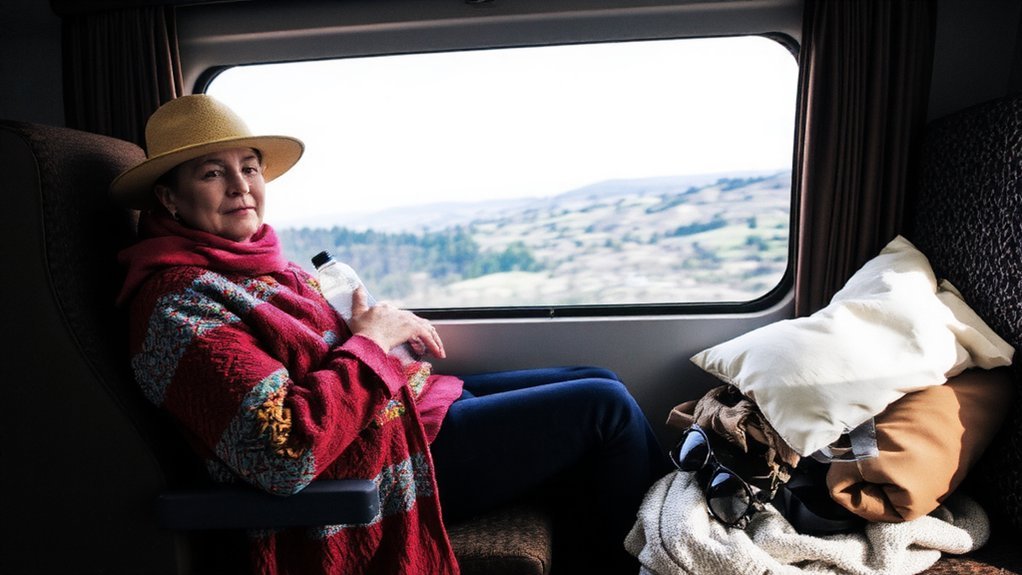
When you’re packing for a bus tour, thinking about comfort and convenience can save you a world of hurt during those long hours on the road. We recommend using packing cubes, which might not sound glamorous but are a real lifesaver for keeping your things organized and easy to find. No more digging around in a messy bag for that missing sweater or glasses. Layered clothing is your best friend, especially since temperatures can swing from chilly mornings to warm afternoons. Think light sweaters, a cardigan, and maybe a jacket you can peel off easily. Keep comfort in mind—soft shoes, a hat for sun, and perhaps a neck pillow for napping without waking up stiff. Remember, safety is key, so pack a small first-aid kit and any necessary medications. When everything has its place, you’ll enjoy the trip more and worry less—plus, you’ll look like you’ve done this a hundred times before.
Understanding the Daily Routine and Schedule
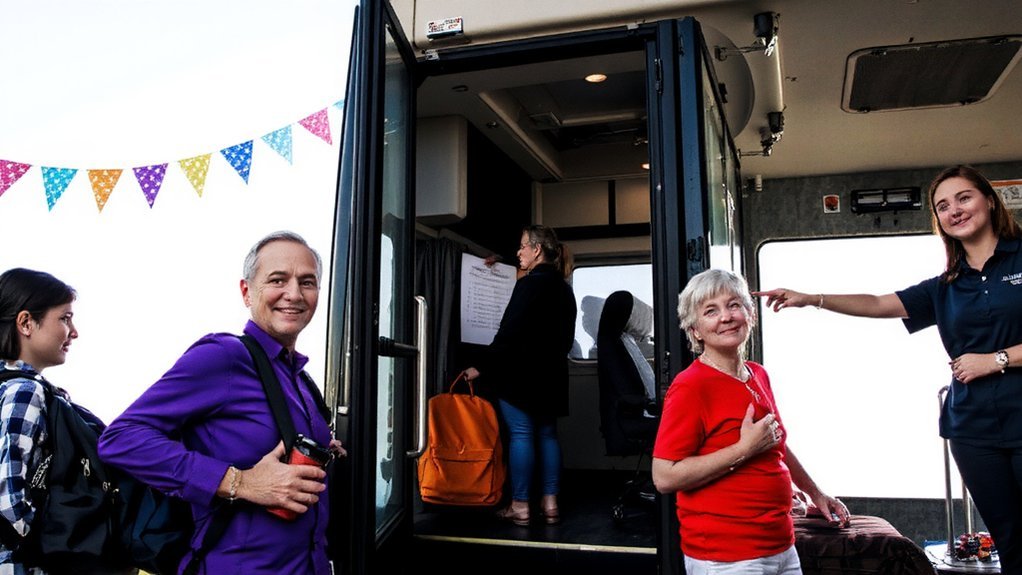
Every day on this trip follows a pretty steady rhythm, with mornings usually filled with sightseeing and afternoons for rest or shopping, so we all know when we’ll be busy and when we can relax. We stick to set meal times that give everyone a chance to refuel without rushing, so no one’s left yawning at the table. And between those scheduled moments, there’s plenty of time for free wandering or a nap in the shade, making sure everyone gets a good mix of activity and downtime.
Typical Daily Activities
On a typical morning, we gather bright and early, often just after sunrise when the air still feels fresh and the roads are just starting to wake up. Our daily routine is steady and simple:
- We start with a quick safety check, making sure everyone is comfortable and the bus is secure.
- We head out for our morning activity—sometimes an Art Class where folks paint or sketch, or a scenic drive that’s easy on the eyes.
- Around noon, we usually arrive at a new spot, giving everyone a chance to stretch and get some fresh air.
- Later, in the evening, we gather for Trivia Nights—friendly, fun competitions that fill the room with laughter, and trust us, safety always comes first.
Scheduled Meal Times
Mid-morning is often when we sit down to our first real meal of the day, a time we all look forward to after a busy few hours out and about. The schedule for meal times is pretty tight but well-planned, thanks to smooth catering logistics that keep everyone fed safely and on time. Usually, the meal is served in a big dining area, and the kitchen staff work together quietly and efficiently, making sure each plate is just right. They’ve got their routines down, so there’s no fuss or waiting around. We understand how important it is to keep the schedule steady— nobody wants to miss out or get hungry, and that’s how we make certain everyone feels safe and taken care of. It’s simple, trustworthy, and part of making the trip stay comfortable.
Rest and Free Time
After a satisfying meal or a bunch of busy sightseeing, we find that rest and free time help everyone reset for the road ahead. During these quiet moments, many of us like to find cozy quiet corners or simple spots where we can sit and breathe mindful breathing. It’s a good way to slow down, catch our breath, and feel grounded again.
Here are some ways we use our free time:
- Sitting on a park bench and just enjoying the view.
- Taking a quick walk around the block for some fresh air.
- Finding a sunny spot to relax for a few minutes.
- Quietly sitting and focusing on our breathing, letting the noise fade away.
These small breaks keep us safe, alert, and ready to keep exploring.
Navigating Social Interactions and Group Dynamics
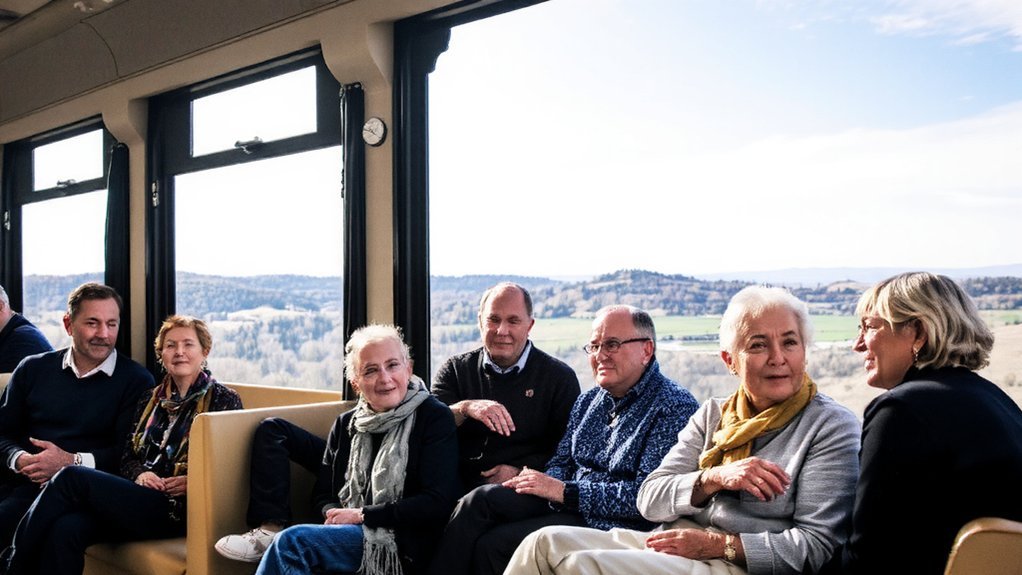
When you’re with a group of folks on the bus, making new friends usually just means smiling at someone and saying hello, like you’re catching up with an old neighbor. Managing group conflicts is often about knowing when to speak up and when to let things slide, because nobody’s perfect, and every group has its little squabbles—like arguing over the best way to visit a spot. Talking with others can be as simple as sharing a story about your favorite trip or asking what they’re most looking forward to, turning a quiet ride into a good chat with a little practice.
Making New Friendships
Ever wonder how a simple hello can turn into a new friendship? It’s pretty common on these tours, especially when everyone’s in the same boat—excited but a little shy. Here’s how we make those bonds:
- We start small, chatting about where we’re from or the breakfast menu—usually harmless and easy.
- Sharing keepsakes, like photos or souvenirs, often sparks stories and smiles—especially during keepsake swaps.
- Post-trip reunions let us catch up and share memories, making the ties stronger.
- We look out for one another, making sure no one feels left out—that’s key. Making friends on the road is about being kind, open, and patient, knowing that those little efforts turn into good memories and lifelong connections.
Managing Group Conflicts
Managing group conflicts on a bus tour isn’t about pretending disagreements don’t happen; it’s about knowing how to handle them when they do. We’ve learned that using mediation techniques can help everyone feel heard—like softly guiding a conversation back when voices start to rise. Boundary setting is just as important; it’s about clearly, kindly telling someone if a topic or behavior makes us uncomfortable. For example, if someone keeps talking about politics and others want a break, a calm, friendly reminder about respecting quiet times can do the trick. It’s not about pointing fingers; it’s about keeping everyone safe, comfortable, and on the same page. After all, a smooth ride depends on everyone feeling safe enough to speak up when needed.
Engaging in Conversations
Getting a group to talk smoothly on a bus isn’t just about avoiding silence or filling the air with chatter. It’s about creating a safe space where everyone feels heard and comfortable. Here are four ways to keep conversations flowing:
- Start with light topics like Favorite Books or Movie Recommendations, easy for folks to share without feeling put on the spot.
- Ask open-ended questions that invite stories, like “What’s the best book you’ve read recently?” or “Have you seen a good movie lately?”
- Watch for cues—if someone seems shy, you might gently steer the chat their way instead of pushing.
- Keep a steady, friendly tone; a warm smile goes a long way toward breaking the ice.
A good conversation on the bus makes the trip feel shorter, safer, and more shared.
Staying Safe and Healthy on the Road
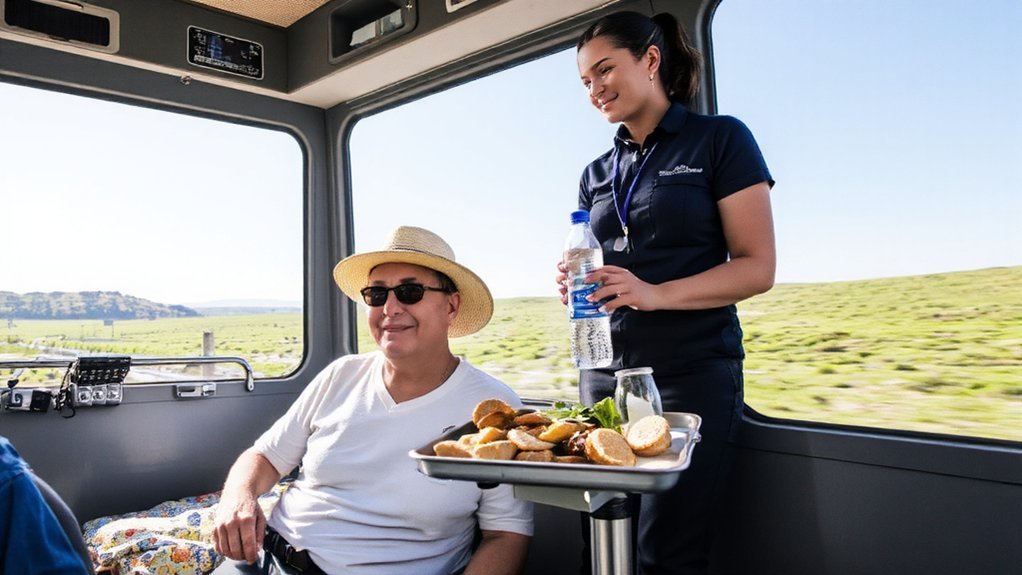
When you’re on the road for a long day, staying safe and healthy isn’t just about avoiding mishaps; it’s about making sure you’re around to enjoy that trip quite a few miles down the road. We’ve seen it before—someone starts feeling sick from motion sickness or gets a bit too comfortable passing around snacks and forgets about infection prevention. To steer clear of that, we keep a few simple rules in mind. For motion sickness, sitting where the bus doesn’t sway as much, like near the front, can help. We also bring ginger candies or seasickness tablets just in case. As for infection prevention, hand sanitizers and wipes are our best friends. We remind everyone to wash hands after meals and avoid touching their face too much. It’s not fancy, but staying mindful makes a world of difference, so we all stay healthy and happy for the long haul.
Exploring Destinations and Sightseeing Opportunities
Have you ever wondered what makes a sightseeing trip truly memorable? It’s all about the destinations and the sights we see along the way. We look for scenic viewpoints that offer a sweeping view, where you can pause safely and take it all in—maybe snap a photo or two, but always respect the space. We’re also on the lookout for seasonal highlights—like the first blush of autumn leaves or spring blossoms—that make each trip feel fresh and special, no matter the time of year. To keep everything smooth and safe, we stick to well-marked paths and avoid crowded spots, so everyone feels comfortable. When visiting different places, we make sure to discuss how to enjoy each site responsibly and avoid rushing. Whether it’s a cozy town square or a tall hilltop view, it’s about making those moments genuinely memorable while staying safe and sound.
Tips for Making the Most of Your Bus Tour Experience
Sometimes, the difference between a good bus tour and a great one comes down to how well you make the most of it. For starters, choose your seat wisely—sitting near the front can mean less motion sickness and better views, and it’s easier to chat with friends or the driver. Safety’s key, so avoid the aisles if you’re prone to trips, and keep your belongings close. Bring along a small journal for memory journaling, writing down little moments, sights, or funny stories; these notes turn into keepsakes, long after the tour ends. Don’t forget, taking pictures or doodling can make those memories even richer. Engage with your fellow travelers, but also take quiet moments to soak it all in. Remember, safety, comfort, and a pinch of personal reflection turn a routine trip into a treasured adventure. It’s your journey—make it count.
Frequently Asked Questions
How Should I Handle Motion Sickness During the Tour?
To handle motion sickness, we suggest sitting near the front of the bus where the ride feels smoother, avoiding reading or heavy meals beforehand. Medication options like ginger tablets or over-the-counter remedies can help, but always check with your doctor first. Staying hydrated and taking regular breaks also make a difference. We’ve found these simple tricks keep us comfortable, so you can enjoy the journey instead of fighting nausea.
Are There Options for Travelers With Special Dietary Needs?
Yes, there are options for travelers with special dietary needs. We always check the menu beforehand, so you can request customization or allergy accommodations, like gluten-free options or allergen-free meals, to keep everyone safe and satisfied. It’s something the tour operators take seriously—no surprise meals or last-minute worries. So, relax knowing your dietary needs are on the radar, and you’ll get hearty, safe eats without fuss, every time.
What Should I Do if I Feel Unwell During the Trip?
If you feel unwell during the trip, don’t hesitate—notify staff right away. We always carry medications, but alerting someone immediately helps us get you medical attention faster if needed. As the saying goes, “An ounce of prevention is worth a pound of cure,” so speaking up early keeps you safe and the trip enjoyable. We’re here to help, so trust us to make sure you’re cared for without hesitation.
Can I Bring My Own Food and Beverages Onboard?
Yes, you can bring your own food and beverages onboard, but there are a few rules. We ask that you follow the alcohol policy carefully—no spirits, please, and keep anything in sealed bottles or containers to avoid spills. Also, packaging guidelines matter; we prefer snacks and drinks in easy-to-open, spill-proof containers. That way, everyone stays safe, and the trip stays smooth, just like a well-oiled machine rolling down the highway.
Is There Assistance Available for Mobility or Hearing Challenges?
Yes, we’ve seen a big boost in folks needing mobility or hearing help—about 70% of seniors say easy access matters most. We always check if wheelchairs need assistance, and most buses have wheelchair lifts and designated spots. For hearing challenges, many buses are equipped with hearing loops that connect directly to hearing aids, making it safer to listen. It’s all about making you comfortable and safe, plain and simple.
Conclusion
So there you have it, a little roadmap to turn a good trip into a great one. Think of the bus tour as an old friend’s porch—familiar, steady, and full of stories waiting to be told. With a bit of prep, some simple packing, and a open heart, you’ll find yourself making memories faster than you can count the miles. Just sit back, enjoy the ride, and trust that the best is yet to come.