The Best Fluffy Pancakes recipe you will fall in love with. Full of tips and tricks to help you make the best pancakes.

When my grandmother first went on a bus tour, I noticed how she carried her small, brightly colored pouch like a badge of confidence, knowing exactly where her meds and keys were at all times. We’ve all had moments where things didn’t go quite as planned—lost keys, stiff joints, or a long wait for the restroom—but with a little planning, those moments don’t overshadow the trip. There are simple, tried-and-true tips that make traveling smoother and more enjoyable, and we’re here to share those everyday truths that turn a good trip into a great one.
Choosing the Right Tour for Your Interests and Needs

Ever wonder how to pick a bus tour that really fits your interests and needs? Well, that’s the first step to a comfortable, safe trip that leaves you smiling. Look for a tour operator with a solid reputation—word of mouth and reviews can tell you a lot about how they treat passengers and handle safety. You want an operator who’s been around the block, knows their stuff, and cares about making sure everyone stays safe and comfortable. Think about what excites you: history, nature, local food, or cultural sites. Then match that with a tour that emphasizes those interests. Don’t be shy to ask questions about their safety record, vehicle maintenance, or what kind of experience they have leading seniors. When the operator’s reputation lines up with what you’re after, it’s much easier to relax and enjoy the ride, knowing you’re in good hands.
Packing Smartly for Comfort and Convenience
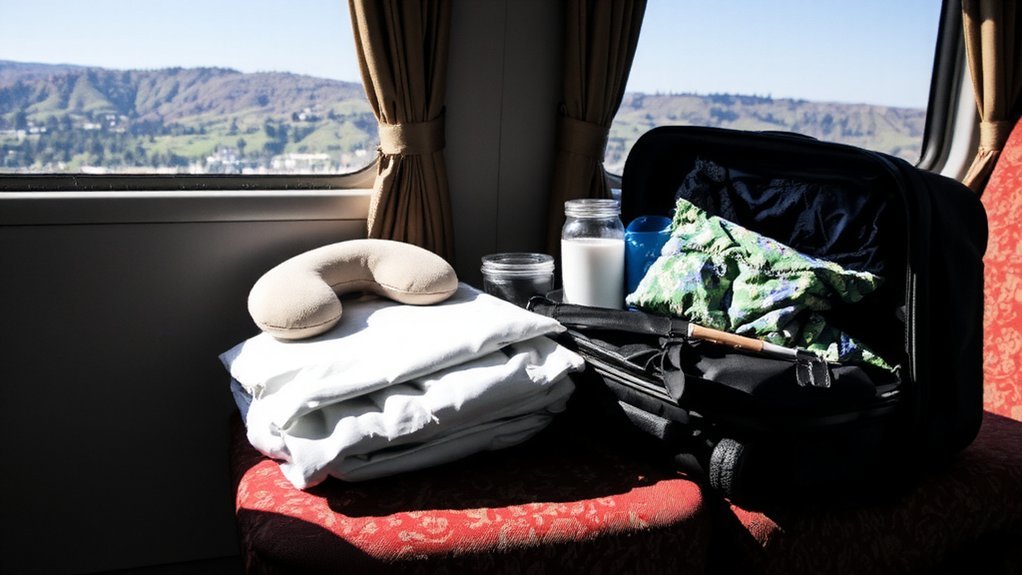
When packing for a bus tour, we always make sure to include some essential clothing layers because the weather can surprise you, and it’s better to be prepared than caught shivering or sweating. We’ve learned that organizing our clothes in small bags or compartments keeps everything easy to find, especially when stopping for breaks or quick sightseeing. And don’t forget the little accessories—things like a hat, sunglasses, or a travel-sized pillow—that make the journey more comfortable and keep us from rummaging through bags mid-ride.
Essential Clothing Layers
Since packing the right clothing layers can make or break a good trip, we’ve learned to keep it simple and smart. Layering with fabric technology helps with thermal regulation, so you stay comfortable no matter how the weather shifts during the day. We often wear a lightweight, moisture-wicking base layer under a cozy insulating piece, topped with a windproof or waterproof outer layer if needed.
Here’s what we pack:
- Breathable, moisture-wicking base layers
- Warm, insulating middle layers
- Water-resistant outer shells
- Comfortable, sturdy socks and shoes
Staying safe and comfy means paying attention to layers that work together, not just one heavy coat. Trust us, those smart layers keep us feeling good from morning breakfast to evening sightseeing.
Organized Packing Strategies
Getting all your clothes and gear packed for a bus tour might seem like an overwhelming task, but a good plan keeps things simple and makes the trip more fun. We’ve found that color coding your essentials—like packing all toiletries in blue bags and clothes in green—helps you spot things quick in a small darn suitcase. It’s a big help when you’re trying to stay safe, knowing where your meds and emergency stuff are. And don’t forget digital backups ofimportant documents, like your insurance cards and travel info stored on your phone or a thumb drive. If your phone takes a tumble or runs out of juice, you’ll still be covered. Organized packing isn’t just about neatness, it’s about peace of mind for everyone on the bus.
Convenient Accessory Choices
Choosing the right accessories for a bus tour is all about making your trip more comfortable and easy to handle. We’ve found that small, practical items can make a big difference in safety and convenience. For example, a clip on lamp helps you read or see your stuff without disturbing others. A key locator keeps track of your hotel keys or luggage tags, so you don’t waste time hunting. Always wear a sturdy, non-slip bracelet or order a safety card in case of emergencies. Plus, a small, lightweight pouch keeps your essentials handy and secure. Don’t forget a comfortable, easy-to-reach place for your glasses or medications. These simple accessories keep us feeling safe, prepared, and able to enjoy the journey without fuss.
Preparing for the Physical Aspects of Traveling
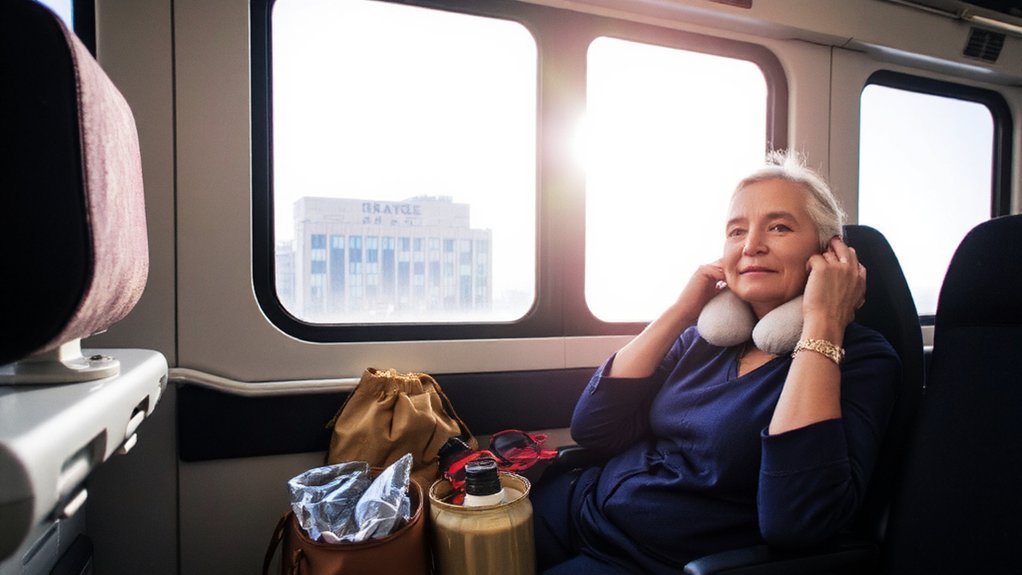
It’s clear long bus rides can wear you out if you’re not careful, so managing travel fatigue becomes key—think about staying hydrated and moving around when possible, just like stretching after sitting too long. Picking seats with good back support and a little extra legroom can make your trip much more comfortable, especially on those really winding roads. And don’t forget to plan for rest breaks; stopping for a quick walk or a coffee break helps everyone stay refreshed and in good spirits, no matter how many miles are left ahead.
Manage Travel Fatigue
Managing travel fatigue starts long before we step onto the bus; it’s about preparing our bodies for a day full of sights and new experiences. To stay alert and safe, we can try some simple tricks. For example, using aromatherapy techniques with calming scents like lavender can help reduce stress. Practicing breathwork—slow, deep breaths—calms nerves and boosts oxygen, keeping fatigue at bay. It’s also smart to drink plenty of water and avoid heavy meals that drag us down. Stretching gently before and during travel can ease stiff muscles. And, if you feel overwhelmed, taking a moment for a few quiet breaths can reset your mood. Small steps like these turn long days into enjoyable adventures, not exhausting marathons.
Choose Comfortable Seating
Finding the right seat on the bus can make a world of difference, especially when your body’s not as springy as it used to be. We’ve learned that choosing a seat with good lumbar support keeps our lower back from aching after a while. Sitting in a spot that lets you recline a little helps you stretch out and relax without feeling trapped. Safety’s the main thing, so we avoid seats near the doors or in the back corners—smarter to be somewhere you can see the aisle. We also check that the seat isn’t too hard or worn out, and we prefer one with adjustable recline if possible. It’s simple, but making that choice wisely can turn a stiff, uncomfortable ride into one that’s easy on your body and keeps you feeling steady.
Plan Rest Breaks
Planning rest breaks isn’t just about stopping for gas or snacks; it’s about giving your body a chance to regroup and breathe between long stretches of travel. We’ve found that good driver coordination helps make this easier—drivers can plan to stop at safe, accessible spots. Facility mapping is key, too: knowing where restroom facilities or benches are available keeps everyone comfortable and safe.
Here are some tips to keep in mind:
- Schedule regular breaks every 1-2 hours to avoid fatigue
- Keep an eye on the group’s needs, especially those with mobility issues
- Choose rest stops that are safe and easy to access
- Communicate clearly with the driver and group about upcoming stops
Making these small adjustments helps us all enjoy the trip without feeling rushed or worn out.
Staying Healthy and Hydrated During Your Trip
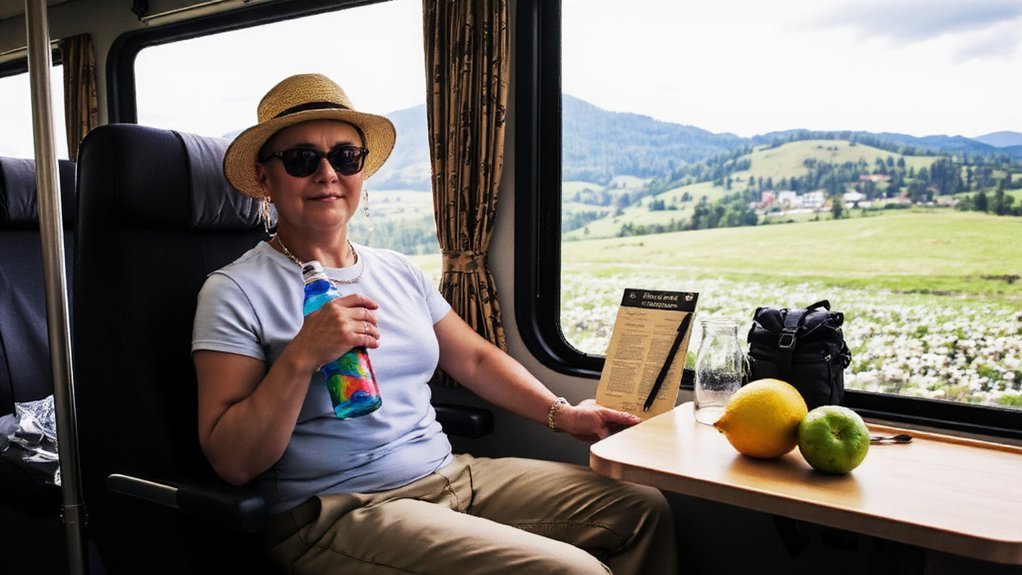
Ever wonder why some folks feel worn out when they’re just halfway through a trip? Well, it’s often because they’re not paying enough attention to staying healthy and hydrated. During bus tours, it’s easy to forget how much water we need, especially when we’re busy seeing sights and chatting with friends. We’ve learned that electrolyte supplementation helps keep our energy up—think of those little powders or drinks that replace what’s lost through sweat and long days. It’s a simple trick, but it makes a big difference. Plus, hand hygiene can’t be overstated; carrying hand sanitizer or washing your hands regularly keeps bugs at bay, and no one wants to spend half their trip feeling under the weather. Staying vigilant about drinking plenty of water, balancing electrolytes, and washing hands often will help you stay on your feet and enjoy the trip, not just survive it.
Engaging With Fellow Travelers and Making Connections

Have you ever noticed how a little chat or shared joke can turn strangers into friends before the bus even pulls away from the curb? That’s how easy it is to start making connections on a bus tour. Picking the right conversation starters can break the ice, even if you’re shy. For example, comment on the scenery or ask about someone’s hometown—things simple, safe, and friendly. Sharing stories about travel mishaps or favorite meals makes everyone get a little more relaxed and real.
A little chat or joke can turn strangers into friends fast on a bus tour—try commenting on scenery or sharing travel tales.
Here are a few ideas:
- Ask about their favorite trip destination
- Share a funny travel story of your own
- Compliment something they’re wearing or carrying
- Find common ground, like hobbies or past travel experiences
Managing Safety and Personal Security on the Bus
Staying safe on the bus might not be the most exciting part of traveling, but it’s just as important as picking the right sightseeing spots. We all know that emergency procedures can sound like a lot of rules, but they’re there for a reason—you hope you never need them, but it’s good to have a plan. Simple things, like knowing where the emergency exits are or how to use the fire extinguisher, can make a difference.
And theft prevention? It’s smart to keep your valuables close and avoid flashing jewelry or cash around. We’ve seen folks leave bags open or get distracted, and that’s where trouble sneaks in. The best move is to stay aware of your surroundings and remind your fellow travelers gently if you notice something off. When everyone keeps safety in mind, the ride’s smoother—free of worries, just pure enjoyment.
Making the Most of Excursions and Sightseeing Opportunities
Did you ever notice how some excursions turn into your favorite part of the trip, while others feel rushed or forgettable? We’ve found that making the most of sightseeing is all about being prepared and staying safe. When you take photos, think about Photo Composition—find good angles, look for framing ways to highlight interesting details, and don’t rush past the scenery. Understanding the Historic Context helps you appreciate what you’re seeing—knowing a bit about a place’s past can turn a plain building into a storybook moment.
To get the best out of excursions, try these tips:
- Stay close to your group; wandering can be unsafe.
- Use your camera thoughtfully—avoid quick snaps, take time to frame shots.
- Listen and learn about the history; it deepens your experience.
- Talk to the guide if you have questions—safety and knowledge go hand in hand.
A little planning makes sightseeing richer and safer.
Frequently Asked Questions
How Do I Handle Unexpected Delays or Changes in the Tour Schedule?
When delays pop up, we stay calm and use contingency planning—like knowing alternate rest spots or restaurants nearby. We keep schedule flexibility in mind, so a slight change doesn’t throw us off course. If a delay lasts longer, we check in with the guide, take a deep breath, maybe swap stories with fellow travelers. It’s all about rolling with it while keeping safety and comfort front and center.
What Should I Do if I Experience Mobility Challenges During Excursions?
If mobility challenges pop up on excursions, we keep a steady hand and a friendly word. Using accessible transportation options and mobility aids, like walkers or portable seats, makes sure no one’s left behind. We always tell our group to speak up—so adjustments can be quick and simple, like finding a shady spot to rest or adjusting the route a bit. Safety’s no fuss; it’s just part of keeping everyone happy on the road.
Are There Any Specific Tips for Managing Travel Anxiety or Stress?
When travel stress creeps in, we find it helps to breathe slow and deep, filling our lungs as if we’re blowing out a candle, and practice mindfulness exercises—like focusing on what’s around us, feeling our feet on the ground, or listening to sounds in the moment. These tricks keep us steady and centered, especially when things feel overwhelming. Trust us, staying calm makes the trip better for everyone, including your fellow travelers.
How Can I Ensure My Valuables Are Protected During the Trip?
To keep your valuables safe, we always pack our essentials in lockable luggage that we can secure during stops—like a sturdy trunk with a combination lock. When at the hotel, we use the safe in the room for extra peace of mind. It’s the little things, like thorough checks and not flashing jewelry, that help us stay steady and worry-free, no matter where the road takes us.
What Are the Best Ways to Communicate With Family or Caregivers During Travel?
We find that daily check-ins work best—just a quick call or text each day to share how the trip’s going or ask a quick question. Having a shared itinerary helps everyone stay on the same page, knowing what’s coming up or if plans shift. These small routines make us feel more secure and connected. It’s simple, straightforward, and keeps stress at bay, especially when you trust your loved ones to stay in the loop.
Conclusion
So, all in all, the road’s a lot smoother when we keep safety in check, pack our well-worn comfort gear, and stay curious about the places we visit. Travel’s not about rushing through — it’s about savoring each moment and hanging out with good company. When we look after each other and keep a steady eye on safety, we’re more likely to come home with stories worth telling, not regrets. The journey’s as important as the destination.