The Best Fluffy Pancakes recipe you will fall in love with. Full of tips and tricks to help you make the best pancakes.

Traveling with limited mobility can feel like a puzzle, but senior bus tours are changing that picture. We’ve seen folks who once hesitated now enjoying sights from low-floor buses with gentle ramps, sturdy seats, and big panoramic windows that make the scenery come alive. These trips aren’t just about sightseeing—they’re about dignity, comfort, and a shot at adventure that doesn’t wear you out or leave you behind. How do they do it? Well, that’s what we’re about to find out.
Features of Accessible Senior Bus Tours
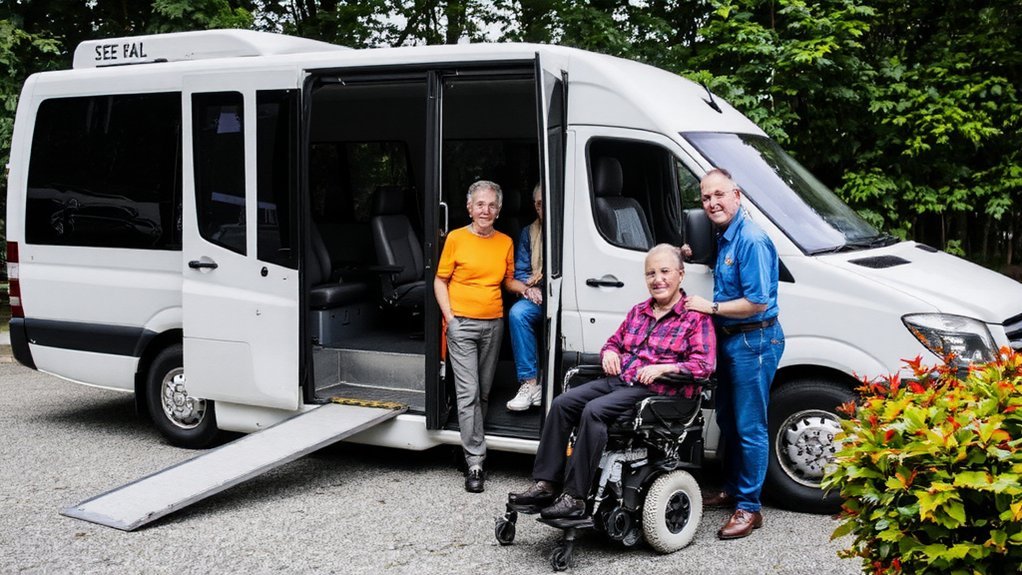
When we talk about accessible senior bus tours, what really stands out are the features built right into the trip to make it easier and safer for everyone. First off, those panoramic windows aren’t just for sightseeing; they’re about safety too, giving everyone a clear view so you can relax and keep an eye on the beautiful scenery outside. No more craning your neck or worrying about missing the sight—just sit back and enjoy the view. Many buses also have USB charging ports, so you can keep your phone or medication device charged without hassle. That’s one less thing to worry about, especially if you want to stay connected or take photos along the way. These little touches aren’t fancy extras—they’re practical tools that help keep seniors comfortable and safe on the road, and honestly, they make the whole trip a lot more convenient and enjoyable.
Benefits for Travelers With Limited Mobility
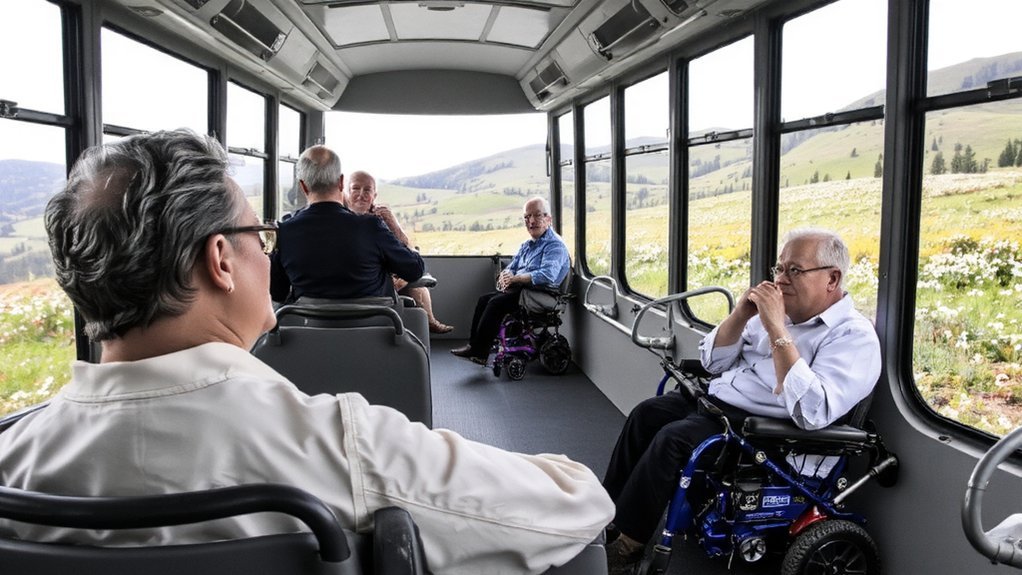
Getting around when mobility isn’t what it used to be can be a real challenge—anyone who’s wrestled with stairs or tried to get out of a regular bus knows exactly that. That’s why senior bus tours built with accessibility in mind make such a difference. They make sure everyone can get aboard safely without worry. But it’s not just about getting in and out; it’s about staying connected and feeling included. These tours promote social engagement, giving travelers a chance to share stories, enjoy quiet conversations, and make new friends along the way. That connection boosts emotional wellbeing, reminding us that we’re not alone, even when stairs or walking distances get tough. Safe, friendly, and meant to accommodate, accessible tours let seniors enjoy travel with dignity and confidence. It’s about opening the door to new adventures while respecting your pace and your safety—because everyone deserves to explore and belong.
Types of Accessible Transportation Options
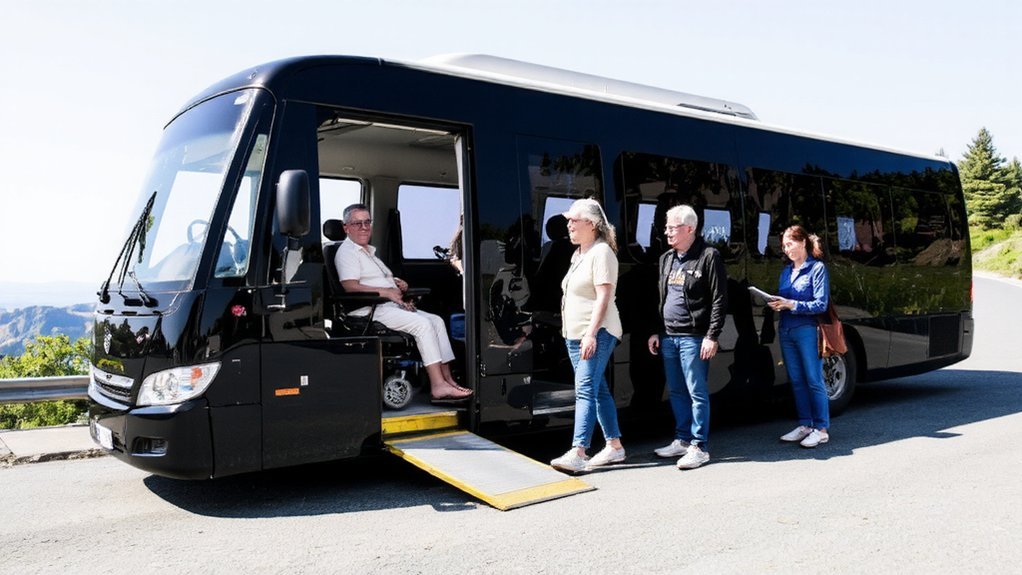
There are a few different ways seniors can get around that make traveling easier and safer, and it’s worth knowing what’s out there. One of the first options is low floor buses. You’ve probably seen them at the bus stop—these buses sit close to the curb, with a gentle ramp so getting on and off is simple, even if your knees are stiff or you use a walker. They’re reliable and common, especially around city areas and smaller towns. Then there are paratransit services, which are like a personal lift — you call ahead, and a van picks you up right at your door. These services are tailored for folks with limited mobility and operate with flexible schedules and routes. Both options prioritize safety and ease, making travel less stressful. Knowing these transportation choices can help you plan better trips and keep your independence without the worry of complicated travel arrangements.
Tips for Choosing the Right Tour Experience
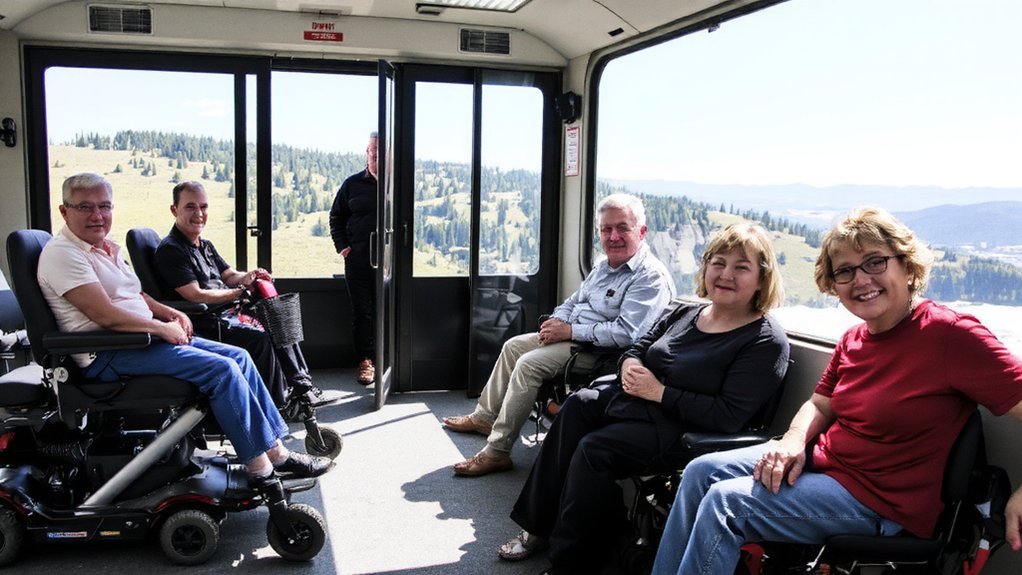
How do you know which tour experience suits you best when there are so many options out there? Well, start with thinking about Group Size. Do you prefer a cozy feel with fewer people or a lively group where everyone’s mingling? Smaller groups often mean more personal attention and less noise, which can be good if you want a calmer trip. Then, consider Itinerary Flexibility. Some tours stick to a strict schedule, moving along like a well-oiled machine, while others let you stay longer at the sights or skip parts if you want. If safety’s a priority, pick a tour that’s clear about its pace and able to accommodate your comfort levels. Think about what makes you feel at ease—whether it’s having more space to move around or being able to relax at your own speed. A good tour should feel safe but also let you enjoy every moment without rushing or feeling lost.
Safety Measures and Comfort Considerations
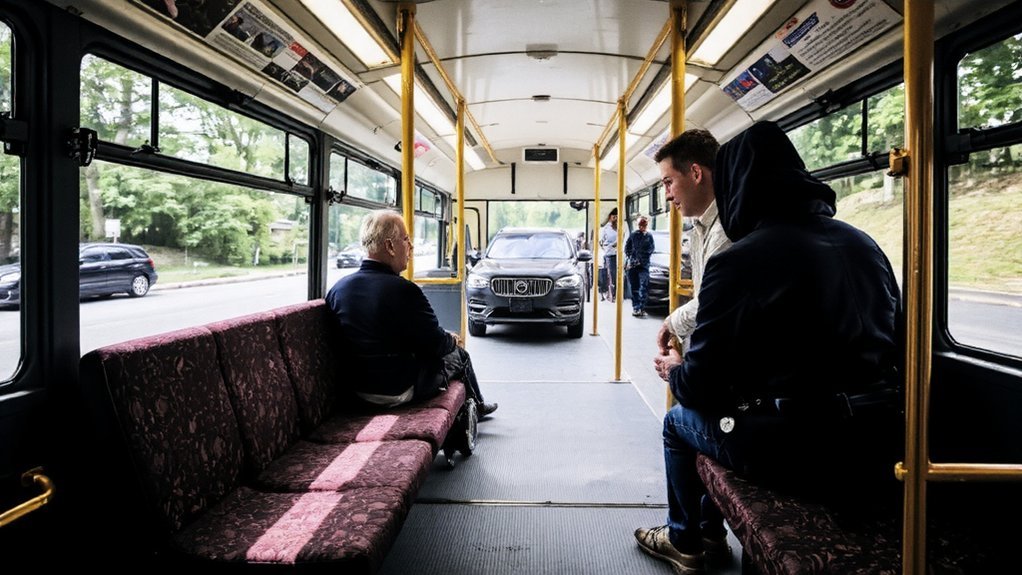
When it comes to keeping seniors safe and comfortable on the road, we pay close attention to secure seating that won’t wobble or slide, even on bumpy roads—that’s a real comfort booster. We also check that emergency protocols are clear and simple, so if something unexpected happens, everyone knows what to do without a fuss. And don’t forget climate control—nothing’s worse than overheating in the sun or shivering in chilly drafts when you’re trying to relax and enjoy the trip.
Secure Seating Arrangements
Securing a good seat isn’t just about finding a dozing spot or a window view; it’s about safety and comfort rolling together. We always look for seats that meet installation standards, ensuring they’re sturdy and steady—because a loose seatbelt or shaky armrest isn’t just annoying, it’s unsafe. We also pay close attention to the inspection schedules, making sure everything’s checked regularly so nothing’s overdue for a fix. It’s common to spot scuff marks or worn-out grips, and that’s a sign it’s time for a refresh. When everyone’s secured right, it’s easier for folks with limited mobility to settle in without worry, and the driver keeps a clear aisle — no accidental trips or spills on our watch. Good seating, plain and simple, makes the whole trip better for everyone.
Emergency Preparedness Protocols
Preparing for emergencies is all about being ready for whatever might come our way, and that means having clear safety protocols in place so everyone feels secure, no matter the situation. We make sure our buses follow all regulatory compliance rules, so safety isn’t just words—it’s built into every step, from seat belts to emergency exits. We also set up mutual aid plans, knowing it’s important to have trusted neighbors and services ready to help if something happens, whether it’s a minor stumble or a more serious surprise. Our goal is to keep everyone comfortable and safe, without raising unnecessary alarm. It’s like having a plan for when the power goes out—keeping calm, knowing what to do, and trusting that help is nearby.
Climate Control Systems
Just like we plan for weather emergencies or unexpected bumps in the road, we also make sure our buses have good climate control systems. We pay close attention to filter maintenance because clean filters keep the air fresh and prevent dust or allergens from sneaking in. Humidity regulation is just as important—too dry or too damp, and everyone’s comfort suffers. We check that the system keeps the air just right, helping seniors breathe easier, especially those with breathing problems. We don’t take shortcuts here; proper climate control isn’t just about comfort but safety too. A well-maintained system means a bus that’s a safe, cozy place to ride, no matter the weather outside. And trust us, everyone appreciates a smooth, comfortable trip—no surprises, just good, steady climate control.
How to Book and Prepare for Your Trip
When it comes to booking your trip, we tell folks to pick a tour that matches both your interests and your needs—trust us, there’s no shame in choosing something slower or more comfortable if that’s what works. Confirm your accessibility needs with the travel company, and don’t be shy about asking lots of questions—better to clear things up before you pack than deal with surprises later. And when it’s time to pack, think simple, pack a few essentials, and plan for easy arrivals so you’re not rushing around the airport or hotel, scratching your head.
Choosing the Right Tour
How do you pick the right tour that fits both your pace and your interests? It’s a good question, and one that’s more important than you might think. When choosing, look for options that offer a variety of itineraries—you want enough variety to keep things interesting but not so much that it feels rushed or overwhelming. A tour that includes some cultural immersion, like visiting local markets or museums, can make the experience richer and more memorable. Of course, safety is key, so check that the tour company is clear about accessibility and comfort throughout the trip. Picking a well-balanced itinerary means you can enjoy the journey without feeling like you’re trying to keep up the whole time. That’s the secret to a successful trip, after all.
Confirm Accessibility Needs
As soon as you start thinking about booking your trip, it’s best to check in on your accessibility needs first, so nothing slips through the cracks. We’ve learned that clear communication with the tour company makes all the difference. Tell them about any mobility devices, special seating, or assistance you’ll need, and don’t forget to ask about their policies for handling medical documentation that proves your needs. Knowing your communication preferences ahead of time helps make sure your questions get answered and your expectations are clear. It’s a good idea to keep a folder with your relevant medical info handy—things like mobility aids or allergies. Being upfront helps everyone stay safe, comfortable, and ready to enjoy the journey without surprises.
Packing and Arrival Tips
Getting ready for your trip means more than just packing a bag; it’s about making sure everything’s set so you don’t have surprises waiting at the airport or hotel door. First, we recommend keeping medication organized—use a small daily pillbox or clear container, and pack extras in case of delays, because nothing’s worse than missing a dose on vacation. When it comes to clothing, go for layers—think T-shirts, a sweater, a jacket—because weather changes can sneak up on you. Make sure to check your booking details and have all your documents handy, especially if you need special accommodations. Arriving prepared and calm helps you start your trip on the right foot, avoiding stress and unnecessary trouble. It’s all about making travel safe, smooth, and easy.
Frequently Asked Questions
Are Tours Customizable for Specific Health Conditions?
Yes, tours can be tailored for specific health conditions. We start with a thorough pre-trip screening to understand each traveler’s needs, then craft specialized itineraries that fit. For example, if someone has mobility issues, we choose routes with plenty of shaded rest stops and avoid steep hills. We believe safety comes first, and adjusting plans for comfort makes the trip enjoyable without worry. That way, everyone gets to relax and soak in the sights.
What Assistance Is Available During the Tour?
During the tour, we’ve got onboard caregivers ready to help, whether that’s assisting with mobility or answering questions to keep everyone comfortable and safe. Plus, luggage handling is no trouble — we’ll load and unload for you, so you don’t have to strain or worry. We understand safety isn’t a joke, and our team’s steady, reliable, and ready to lend a hand whenever needed, giving you peace of mind every step of the way.
Are There Discounts for Wheelchair Users?
Yes, there are discounts for wheelchair users, and we make it simple to qualify. If you’re part of our membership program, you can enjoy these discounts almost automatically—just bring proof of membership, like a card or ID, and you’re set. We always prioritize your safety, so we double-check everything to guarantee a smooth, comfortable trip. No fuss, no hassle—just straightforward savings and good hands all the way.
How Early Should I Book to Ensure Accessibility Needs?
We recommend booking at least six weeks ahead if you need accessible accommodations. That’s enough time for the tour operators to check their reservation windows, confirm your needs, and make sure your spot’s secured without a hitch. We’ve seen last-minute bookings turn into headaches, so a little advance planning keeps everything smooth and safe, especially when you’re counting on reliable access and folks who won’t overlook your needs.
What Should I Bring for Long Travel Days?
For long travel days, we pack comfort essentials like a cozy blanket and noise-canceling headphones, and our packing checklist always includes extra meds, a water bottle, and some snacks—hard to find good food on the run sometimes! We’ve learned to bring chargers, a small pillow, and reading material, all tucked in an easy-to-reach bag. It keeps us safe, comfy, and prepared, even if those hours feel longer than they should.
Conclusion
So, folks, if you’re thinking about taking a trip, let’s keep it simple, smooth, and stress-free. With the right planning, a kind and attentive crew, and tours that truly understand your needs, you can enjoy adventures without worry. Remember, it’s about creating comfort, cultivating connection, and capturing new memories — all while keeping things manageable and meaningful. After all, the road’s easier when you travel with a bit of care and plenty of confidence.