The Best Fluffy Pancakes recipe you will fall in love with. Full of tips and tricks to help you make the best pancakes.

Imagine sitting on a bus filled with unfamiliar faces, feeling your stomach tighten because traveling makes you nervous, just like it did for me the first time. It’s common, and you’re not alone in that. Sometimes, the hardest part is just figuring out where to start—what kind of trip feels safe enough, how to pack smart, or what to say if you get overwhelmed. It’s about small steps, just like fixing a leaky faucet—slow but steady. If you stick with it, you’ll find these trips can turn into good stories and little victories.
Understanding Common Causes of Travel Anxiety
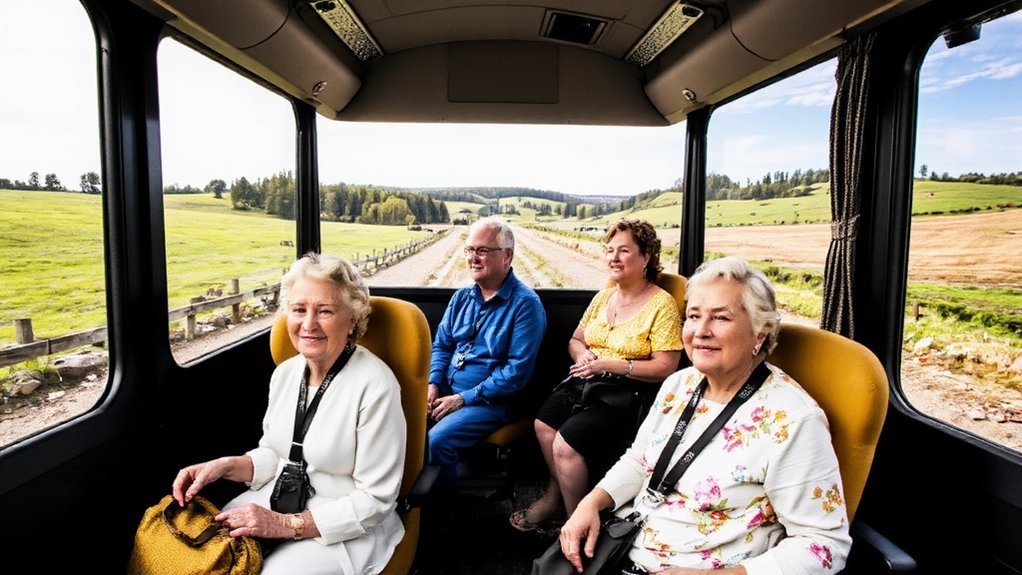
Have you ever felt a knot tighten in your stomach just thinking about a trip? That’s often because of travel anxiety, and it hits harder for seniors. One big cause is sensory overload—bright lights, loud noises, unfamiliar sights—your brain can get overwhelmed pretty quick. Then there’s decision fatigue, where the simple act of choosing what to eat or wear seems like a mountain. When you’re faced with too many choices, it’s easy to feel drained and anxious, especially if you’re worried about making the wrong decision. These feelings aren’t just in your head—they stem from real stressors that anyone can experience on the road. Knowing this helps us see why different aspects of travel can seem intimidating. But understanding what triggers these feelings also gives us the chance to prepare better, so trips stay safe and enjoyable rather than overwhelming. We’ve all been there, and it’s okay to acknowledge it.
Choosing the Right Senior Bus Tour for You

When picking out a senior bus tour, we always think about the group size—some folks love a small, cozy bunch, and others don’t mind a bus packed with new friends. Accessibility features are a must, whether it’s wider aisles or handrails, because nobody wants to feel left out just because of a little mobility challenge. And of course, it helps if the itinerary can flex a bit—sometimes plans change, and being able to adjust means everyone stays comfortable and happy.
Tour Group Size
Choosing the right tour group size can make a big difference in how much you enjoy your trip. If you’re looking for safety and a chance to connect, a small group might be just right — you get more social opportunities and can form real bonds without feeling lost in a crowd. On the other hand, a bigger group might give you a lively, bustling atmosphere, but it can mean less privacy and more noise. We’ve seen folks who prefer closer-knit groups thrive, feeling they’re safer and more at ease. It’s all about finding that balance — enough people to share stories with but not so many that you can’t find your own space when needed. That’s the sweet spot for a comfortable, worry-free adventure.
Accessibility Features
Ever wonder if the bus you’re riding on will have all the little things to make your trip easier and more comfortable? When we pick out a senior bus tour, we look for features that keep everyone safe and independent. Things like Braille signage on the bus doors and seat controls help those with visual impairments, so no one feels left out or unsure where to go or sit. Wheelchair lifts matter too—they make it easier for folks who use wheelchairs to get on and off without a fuss. We’ve seen too many buses where comfort stops at the seats, so we make sure these accessibility features aren’t just an afterthought. Because when you’re traveling, knowing the ride is built for your safety makes all the difference.
Itinerary Flexibility
Sometimes, the surest way to ruin a good trip is having your plans fall apart at the last minute—no one wants to be stuck on a bus wondering if they’ll get to see that special museum or that scenic lookout they’ve been waiting for. That’s why itinerary flexibility matters. Good tours offer options like custom stops, letting you briefly visit places that catch your eye or skip spots that don’t interest you. Plus, look for optional extras, like extra time at a favorite spot or a leisurely lunch. These little choices make a big difference in feeling safe and in control. When choosing a tour, ask about how flexible their itinerary really is. A trip that adapts to you is one where everyone feels comfortable and happy to explore at their own pace.
Preparing Mentally and Physically for Your Trip

Getting ready for a bus trip isn’t just about packing your bag, but also about calming those nerves and making sure you’re comfortable along the way. We’ll talk about simple relaxation techniques that really help, like deep breaths or listening to your favorite music, and share tips on choosing good shoes or supporting pillows so you can sit longer without fussing. After all, being steady and at ease makes the whole trip better, and we’ve learned a few tricks from our own journeys that work like a charm.
Relaxation Techniques
Preparing for a bus trip means more than just packing your bag and counting the hours until you’re on your way. It’s about calming your mind and body so the journey feels safe and smooth. Here are three relaxation techniques we’ve found helpful:
- Try mindful coloring—picking up a small set of colored pencils or crayons, and gently filling in a simple picture. It keeps your mind focused and helps reduce anxiety.
- Play nature sounds—whether it’s waves crashing or birds chirping, soft background noise can ease your nerves and mimic the calming sights and sounds of the outdoors.
- Practice deep breathing—slowly inhale, hold for a few seconds, then exhale fully. It’s a gentle way to steady yourself, especially when the trip feels a little overwhelming.
These simple tricks keep you centered and ready for each new view.
Physical Comfort Tips
When you’re staring down a bus trip that could go for hours, paying attention to your physical comfort makes all the difference between arriving worn out or feeling more or less like yourself. We’ve found that adjusting your seat properly helps a lot. Use an adjustable lumbar support to keep your back happy and prevent stiffness—nothing worse than that nagging ache that lingers all trip long. Also, bring along a small foot elevation, like a fold-up footrest or even a rolled-up sweater, to keep your legs and feet comfortable. It’s easier to stay relaxed if your legs aren’t hanging or cramped. Taking these simple steps isn’t just about comfort; it’s about safety too. After all, a settled, supported body stays alert and less prone to aches or injury.
Packing Smartly for Comfort and Convenience
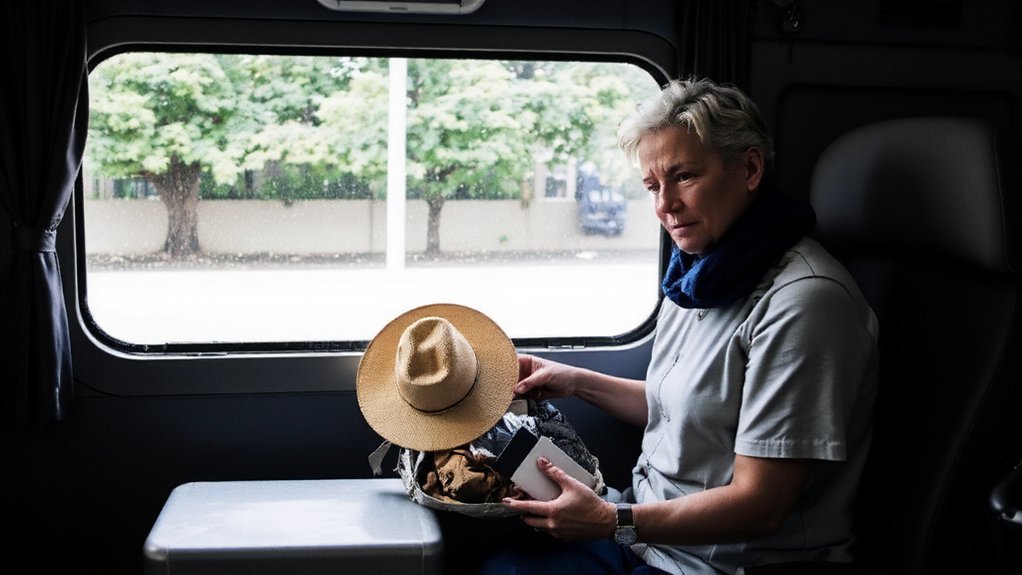
Ever wonder how some folks manage to pack just enough for a comfortable trip without hauling half their closet along? We’ve been there, juggling bags and wishing we had a bit more room for essentials. First, focus on lightweight, versatile clothing, ready for any weather, and easy to layer. Second, pack healthy snacks, like nuts and dried fruit, for quick energy without the risk of spills or bulky packaging that can tear. Third, bring compact gadgets—think foldable travel adapters or tiny flashlights—to stay connected and safe on the road. These small, smart choices make a big difference, especially if you want to avoid the chaos of over-packing. When your bag is well-edited, you breeze through airports, buses, and hotel check-ins. Plus, having only what you need gives peace of mind, making the journey more about enjoyment than worry. After all, a little preparation goes a long way in making travel safe and smooth.
Staying Connected and Communicating Your Needs

Staying connected and making sure your needs are heard while on the road might not seem like the biggest challenge—until you find yourself miles away from your usual phone signal or struggling to get your questions answered. That’s why it’s wise to pack some trusty Communication Tools, like a fully charged cell phone, a portable charger, or even a small notepad for quick notes. We always make sure to have our Emergency Contacts written down in a safe place, like inside your wallet or on a sheet tucked in your bag, just in case. Sometimes the signal drops, or a quiet moment makes it hard to speak up, but knowing your Emergency Contacts are close and your communication tools are ready keeps us calm. It’s simple but important—being prepared means you can ask questions, stay in touch, and feel safer no matter where the road takes you.
Tips for Managing Stress During the Journey
Long trips can wear on anyone, especially if we don’t keep a handle on stress as we go. Travel’s unpredictable, and that’s just part of it, but a few simple tips can keep worries in check.
Long trips can be stressful, but a few simple tips can help you stay calm and in control.
- Have a Contingency Budget — just a little extra cash set aside. It can cover unexpected snacks or a cab if plans change. Knowing it’s there takes some pressure off your mind.
- Weather Prep — keep an eye on the forecast. Packing a raincoat or sunhat might seem small, but it helps you stay comfortable and avoid frustration.
- Stay Flexible — sometimes, things don’t go as planned, and that’s okay. Breathe, adapt, and remember, safety always comes first.
Managing stress isn’t about controlling everything but having a few tools to stay calm and prepared. This way, the journey stays safe, steady, and a little more fun.
Embracing the Experience and Building Confidence
Why do some folks come back from a bus tour feeling like they’ve truly experienced something, while others just tense up and miss the sights? It’s often about how they embrace the moment, leaning into their cultural curiosity instead of holding back. When we stay open and look at new places with interest, it becomes easier to take in the sights and sounds, even if it feels a little outside our comfort zone. A good storytelling practice helps too—sharing memories or hearing others’ stories might just reveal a new way to connect with what’s around us. Building confidence isn’t about being perfect; it’s about trying, asking questions, and slowly trusting ourselves to handle the unexpected. It’s in those small steps, like chatting with a fellow traveler or noting a beautiful mural, that we start feeling like part of the journey. In the end, embracing the experience turns a bus trip into a treasure chest of memories, not just a checklist of sights.
Frequently Asked Questions
How Can I Find Senior-Friendly Bus Tours With Good Reviews?
To find senior-friendly bus tours with good reviews, we start with trusted review platforms like TripAdvisor or Google. Look for tours rated highly by other seniors—those reviews tell you a lot. Check out specialty agencies that focus on senior travel—they often design trips with comfort and safety in mind. We’ve seen folks feel more confident booking through these channels because they focus on worries like accessible seating and cautious planning.
Are There Any Travel Insurance Options Specifically for Seniors?
Yes, there are travel insurance options made just for seniors. They’re built with coverage limits that fit a steady, sensible safety net, and cost factors that won’t break the bank. We’ve seen older travelers choose policies with medical coverages that kick in if something unexpected happens on the road, like a fall or new illness. It’s all about peace of mind—knowing you’ve got steady support, no matter what comes up.
What Should I Do if I Feel Unwell During the Trip?
If you feel unwell during the trip, tell someone right away — your tour guide or fellow traveler can help. We always keep a small kit with medication management supplies and remedies for motion sickness, so we can stave off the worst. It’s best to sit down, take slow breaths, and stay calm. We’ve learned over the years that most small troubles pass once you get some rest and a little fresh air.
How Can I Meet Other Travelers and Build Friendships?
To meet others and make friends, we start with simple icebreaker activities during the trip — like sharing stories at a included meal or chatting during a rest stop. We’ve found that sitting close and asking friendly questions helps break the ice. It’s like saying, “Hey, we’re all in this together,” which eases nerves and creates quick bonds. After all, a good chat’s as comforting as a warm cup of coffee.
Are There Accessible Amenities on Most Senior Bus Tours?
Most senior bus tours are built with safety and comfort in mind, so you’ll find accessible amenities like wheelchair ramps and hearing loops on many buses. We’ve seen these features make a big difference, especially for folks who need a little extra support. While not every tour is identical, it’s smart to ask beforehand about accessibility. That way, you can travel worry-free knowing your needs are covered.
Conclusion
Remember, each step you take is like planting a seed—the more they sprout, the more your confidence grows. Sure, travel anxiety can feel heavy, but by choosing the right tour, packing smart, and taking it slow, you’ll find your way just fine. Like a trail through familiar woods, the more you walk, the clearer it gets. Stick with it, stay steady, and before long, you’ll be making memories that feel just right.