The Best Fluffy Pancakes recipe you will fall in love with. Full of tips and tricks to help you make the best pancakes.

Like the old saying that an ounce of prevention is worth a pound of cure, we’ve seen how good planning can make or break a senior bus tour. We’re aware of the rescue stories—someone’s medication left behind, a sudden flare-up of a chronic condition, or an emergency that struck at the worst moment. The trick is knowing what to pack, how to stay alert, and what to do if things go wrong. Stick with us, and we’ll show you how to keep the trip safe and smooth—because no one wants to be caught off guard miles from home.
Preparing Medical Documentation and Medications
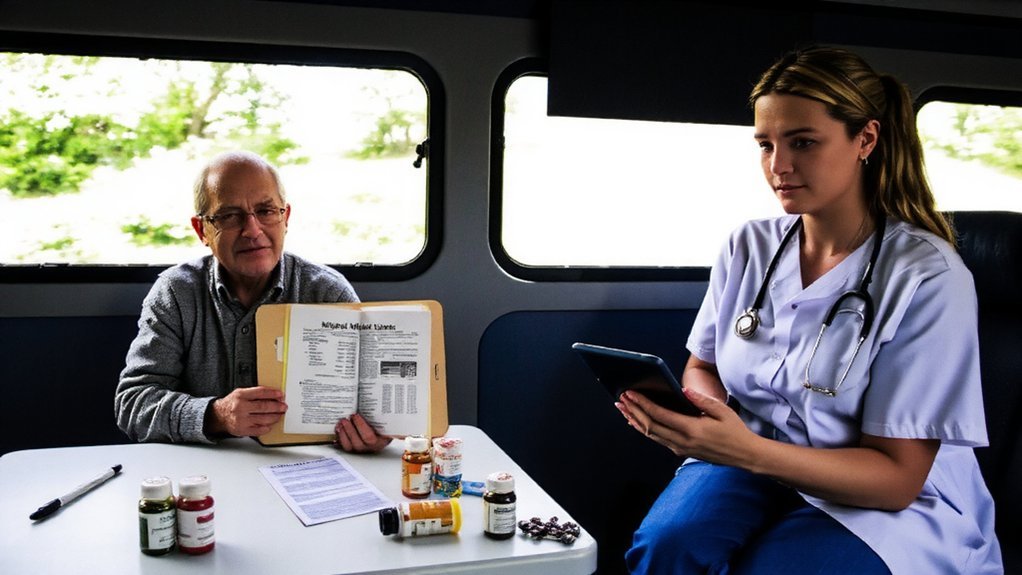
Have you ever tried packing for a trip only to realize you forgot something important, like your favorite sock or your glasses? Well, when it comes to a senior bus tour, forgetting necessary medical documents can be just as risky. We always recommend preparing your medical documentation ahead of time, making sure it’s clear and up to date. If your documents are in a language other than English, get reliable language translations to avoid misunderstandings—your safety depends on it. Some situations require document notarization to authenticate medical info, especially if you’ll need emergency care away from home. Keep your medications organized in a travel-friendly container, with clear labels. It’s a good idea to carry copies of prescriptions, emergency contacts, and health insurance info. This way, whenever the unexpected happens, you’re prepared, protected, and ready to enjoy the trip without unnecessary worries. Safety first, every step of the way.
Assessing Personal Health Before Traveling

Before hitting the road, we understand it’s smart to think about your health first, like reviewing your medical history to catch anything that might need extra care on the trip. We also suggest making sure your medications are in order so you won’t be caught without your daily dose, especially in unfamiliar places where pharmacy runs aren’t as quick. It’s all about knowing what could go wrong and throwing in a bit of planning to keep your travels smooth and safe.
Medical History Review
Checking in on your medical history might seem like just another form to fill out, but it’s really the first step in making sure your trip stays smooth and safe. When we review personal health, we’re looking at things like past surgeries, current conditions, and even genetic predispositions that might come into play. For example, if you’ve had knee replacements or recent heart surgeries, knowing these details helps us plan better. Surgical timelines matter, too — knowing if you’re still healing or cleared for travel is key. It’s about being honest and thorough, so we can flag potential issues early on and avoid surprises on the road. After all, a well-informed traveler is a safer, happier traveler — and that’s what we all want for everyone joining us.
Routine Medication Planning
Taking a good look at your medication list before hitting the road is one of those small but mighty steps that keeps everything running smoothly. We all get into habits, like stacking morning routines—coffee, pills, breakfast—so adding a check for meds fits right into that. Think of environment cues, like setting your pillbox next to your toothbrush or on the nightstand, to trigger the reminder naturally. That way, you’re less likely to overlook doses, especially if you’re in a different time zone or unfamiliar hotel. Double-checking prescriptions, packing extras in a separate bag, and updating your list with any new meds or changes keeps you in control. A little prep now pays off big later—because nobody wants to miss a dose or deal with a medical hassle on the road.
Staying Safe During the Journey

Most of us know the importance of staying alert during a long bus trip, but it’s easy to zone out or get too comfy, especially when the scenery seems the same for hours. Dozing off with your luggage loose behind your seat is a risk, so always keep your bags close and secure, especially items like purses or valuables. We’ve seen cases where a quick nap or fancy footwork led to a lost wallet or forgotten phone. Seatbelt usage is a no-brainer but often overlooked; strapped in, you stay safe if the bus hits a bump or stops short. It’s simple—just click it every time you sit down, no exceptions. Staying aware isn’t about being nervous; it’s about protecting ourselves and our fellow travelers. Keep your luggage secure, remember your seatbelt, and stay sharp—these small steps make a big difference in keeping your journey safe and sound.
Managing Chronic Conditions on the Road

When managing chronic conditions on the road, we realize it’s all about keeping track of your medications and making sure you pack enough, even if your bags get a little heavier. We also learned that talking openly about your health needs with the tour guide or driver helps everyone stay on the same page, especially if plans change suddenly. It’s like keeping an emergency kit ready—you don’t want to get caught without what you need when things don’t go as planned.
Medication Management Strategies
Managing your medication on a bus tour means thinking ahead and staying organized because nothing throws off a good trip faster than missing a dose or mixing pills. We always suggest packing a small, labeled pill organizer for each day, so there’s no fumbling in your bag or pocket. Keep a current list of your meds and doses, and share it with travel buddies or staff, just in case. Trust pharmacy networks that are easy to access along the route; it’s good to know you can refill or ask questions if needed. Remember, adherence psychology plays a big role—staying consistent helps you feel safer and in control. Finally, consider storing medicines in a cool, dry place, away from sunlight, just like you’d do at home.
Communicating Health Needs
Keeping everyone’s health needs understood and respected on a bus tour is key to smooth sailing, especially when dealing with chronic conditions like diabetes, asthma, or heart issues. We’ve seen it — folks need to communicate their needs clearly, whether it’s showing a card, using language assistance, or simply explaining what’s going on. It’s important to ask about privacy preferences too; some people might want to share details openly, others prefer more discretion. We always encourage passengers to carry a quick note with their health info and to talk openly with the driver or tour leader before the trip things get rolling. Clear, honest communication keeps everyone safe and makes the journey more comfortable for all of us, no surprises, just smooth roads ahead.
Ensuring Emergency Readiness
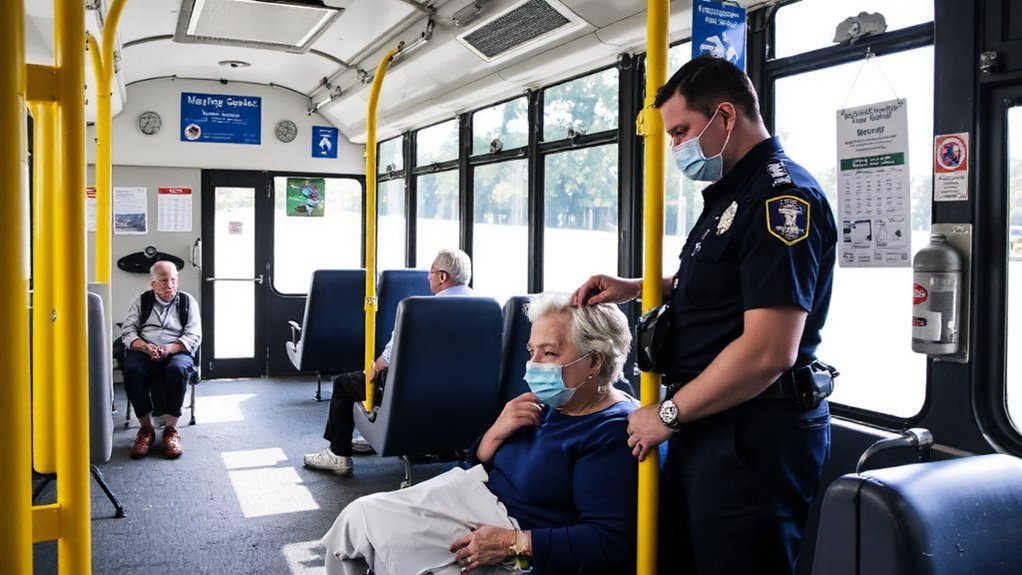
Getting ready for emergencies might not be something anyone likes to think about, but it’s one of those things that can make all the difference if something goes wrong on a bus tour. We need to be prepared, plain and simple. First, check that evacuation signage is clear and visible—this helps everyone know what to do without panicking. Second, it’s smart to do emergency drills before the trip starts, so everyone’s familiar with where the exits are and how to act quickly if needed. Third, keep a well-stocked emergency kit on board—things like bandages, water, and a flashlight. And fourth, make sure the driver and group leaders know exactly what to do in case of an emergency, so no one’s left floundering. When we’re prepared, it’s easier to stay calm and act fast. That’s how we keep everyone safe—and that’s what really matters.
Tips for Maintaining Well-Being During the Trip
On a long bus trip, taking care of ourselves isn’t just a good idea—it’s what keeps everyone comfortable and in good spirits. We’ve found that gentle stretching every once in a while helps loosen up stiff joints and keeps blood flowing. It’s nothing fancy—just reaching arms overhead, twisting shoulders slowly, or flexing legs while sitting. Alongside that, mindful breathing can calm nerves, clear our minds, and even reduce aches. We often breathe in slowly through our noses, hold it briefly, then exhale out the mouth, paying attention to the rhythm. It’s kind of like giving ourselves a little mental parachute, helping us stay relaxed amid chatter or a bump on the road. These simple practices don’t take much time but make a real difference. They keep us alert, comfortable, and ready to enjoy the scenery without feeling worn out or crouched over. It’s all about staying at our best, step by step.
Frequently Asked Questions
How Can I Find Local Medical Facilities at My Travel Destination?
When looking for local medical facilities at your destination, start with clinic directories online—they’re like maps in a GPS for health care. Also, check pharmacy locations, because those staff often know the local clinics and can point you in the right direction, like a helpful neighbor. We’ve all been there, needing a quick fix, so it’s smart to know ahead. Better safe than sorry, after all.
What Should I Do if I Experience a Medical Emergency Abroad?
If a medical emergency hits abroad, stay calm and call local emergency numbers right away, like 112 or 911. We always keep a list of our medication management details, so we’re aware of what’s needed for each person. If evacuation’s needed, understanding the procedures beforehand helps us stay prepared. Remember, staying transparent and alert keeps everyone safe—sometimes it’s just a matter of knowing what to do before it’s needed.
Are There Specific Vaccinations Recommended Before a Senior Bus Tour?
Before hitting the road, we recommend seniors talk to their doctor about getting an annual influenza vaccine and a pneumococcal vaccine—these little shots can make a big difference in avoiding nasty bugs. We’ve seen folks happily cruise through trips without a hitch because they stayed ahead of common illnesses. It’s all about keeping everyone safe and sound, so you can enjoy the sights without worry — after all, health is the best travel companion.
How Can I Ensure My Health Insurance Covers Overseas Medical Needs?
We make sure our health insurance covers overseas needs by calling our provider and asking about a policy rider that includes international coverage, because sometimes what’s on paper isn’t what we get when it’s real. We also check if telemedicine access is part of the deal, so we can chat with a doctor from anywhere, even if we’re day-tripping in a small town or sitting on a park bench abroad.
What Are Signs of Altitude Sickness or Dehydration During the Trip?
We recognize signs of altitude sickness or dehydration include headaches, nausea, dizziness, and fatigue—like feeling wobbly on your feet or having a pounding head after a quick mile. We keep an eye out for these things, especially in high-altitude spots, and stop to rest or hydrate when they show up. It’s like an old friend warning us to slow down so no one ends up feeling worse.
Conclusion
So, after all this talk about planning and prepping, you’d think it’s just about dotting all the i’s and crossing the t’s, right? But here’s the punchline—it’s really about how you handle surprises. Because let’s face it, no matter how well you prepare, someone’s always gonna forget their extra meds, or the bus might hit a bump just when you’re stretching. Still, with these simple steps, you’re more ready than most, and that peace of mind? Priceless.