The Best Fluffy Pancakes recipe you will fall in love with. Full of tips and tricks to help you make the best pancakes.

We’ve led plenty of senior bus tours that walk along the paths of history, from Revolutionary War battlefields to Civil War memorials, and it’s clear folks tend to remember more when they’re comfortable and engaged. These gentle journeys let you see old churches and battlefield scars without rushing, with plenty of time to soak in the stories that brought those places to life. If you’re curious how a good tour is put together — with respect, safety, and a bit of that old-fashioned wonder — there’s more to see.
Exploring Revolutionary War Battlefields

Have you ever wondered what it was really like on the front lines during the American Revolution? Well, today’s tours sometimes use drone mapping to give us a clear picture of those historic battlefields, without actually stepping onto dangerous grounds. It’s like having a bird’s-eye view that highlights every ridge, ravine, and open field where soldiers once fought. These high-tech images help us better understand the land’s story, and they also support ecological restoration, making sure those open spaces stay healthy and safe for visitors. We walk through peaceful, preserved areas, and it’s hard to imagine the chaos once wrought there. Modern tech lets us learn while respecting the land beneath our feet, keeping it in good shape for future generations. So, exploring these sites isn’t just about history; it’s about caring for the land that’s held those stories for over two hundred years.
Visiting Historic Colonial Sites

When we visit historic colonial sites, we’re stepping into buildings with centuries of stories in their walls and artifacts that tell of everyday life back then—think of old fireplaces, flagstones worn smooth by footsteps, and furniture that’s seen generations come and go. It’s also about walking through the battlefields where historic fights took place and exploring the town squares filled with centuries-old shops, churches, and landmarks that still stand proud. We find it’s these places that give us real, tangible links to our past, and almost every site has a story that makes the history come alive right before our eyes.
Colonial Architecture & Artifacts
As we wander through historic colonial sites, it’s plain to see how sturdy and practical their architecture really was, built to stand the test of time and rough weather, not to impress with fancy finishes. You can spot the solid construction techniques, like thick stone walls and hand-hewn beams, that made these homes strong and safe. Inside, the domestic furnishings show how folks made the most of what they had—simple wooden tables, sturdy chests, and cast-iron pots—things built to last and serve daily needs. These artifacts and structures tell us stories of hard work and careful craftsmanship. We feel safe knowing every corner was made to be durable, and through these old homes, we get a real sense of life in colonial days—practical, reliable, and built to last.
Significant Battle Fields
There’s something about walking the grounds where history’s fought and fought hard that makes the past feel a lot closer. When we visit these battlefields, we get a good look at how terrain analysis shaped each fight — where the hills, trees, and rivers affected troop movements. It’s clear how weapon evolution changed the game, too; muskets that took minutes to reload gave way to rifles with longer range and better accuracy, giving armies new strategies. We see the scars left on the land and imagine the chaos of the battles fought here. These sites remind us that war isn’t just about courage, but also about understanding the land and tools used. It’s a humble lesson, but a powerful one—making history real and right in our path.
Historic Towns & Landmarks
Walking the grounds of battlefields shows us how the land fought just as hard as the soldiers did, bending and shaping the course of history. That idea holds true when we visit historic towns and landmarks too. These places are rich with stories from local folklore, where old-timers still talk about ghost stories and legendary heroes. We get to see the buildings where history was made—church steeples, old homes, and cobblestone streets—and imagine what life was like back then. And, of course, we can’t forget the culinary heritage; small cafes and markets serve recipes passed down through generations, giving us a taste of authentic history. Visiting these places might feel like stepping back in time, all while staying safe and comfortable.
Civil War Landmarks and Memorials

Civil War landmarks and memorials stand like honest old stories carved in stone and preserved across the countryside, each telling parts of a tough and tangled history. These sites show us what life was like long ago, from battle scars on statues to quiet parks with plaques. But, we’ve also seen some monument controversies where folks debate what should stay, what should go, and how we honor the past respectfully. These debates remind us that history isn’t just about remembering—it’s also about listening and understanding different views. Memorial ceremonies are often held at these sites, giving visitors a chance to pay respects in a safe, meaningful way. They bring people together to reflect on sacrifice, courage, and the cost of freedom. When we visit these landmarks, we get a real feel for history’s weight and its lessons—without any fuss, just the truth standing there, waiting for us to look and listen.
Famous Battlefields and Their Stories
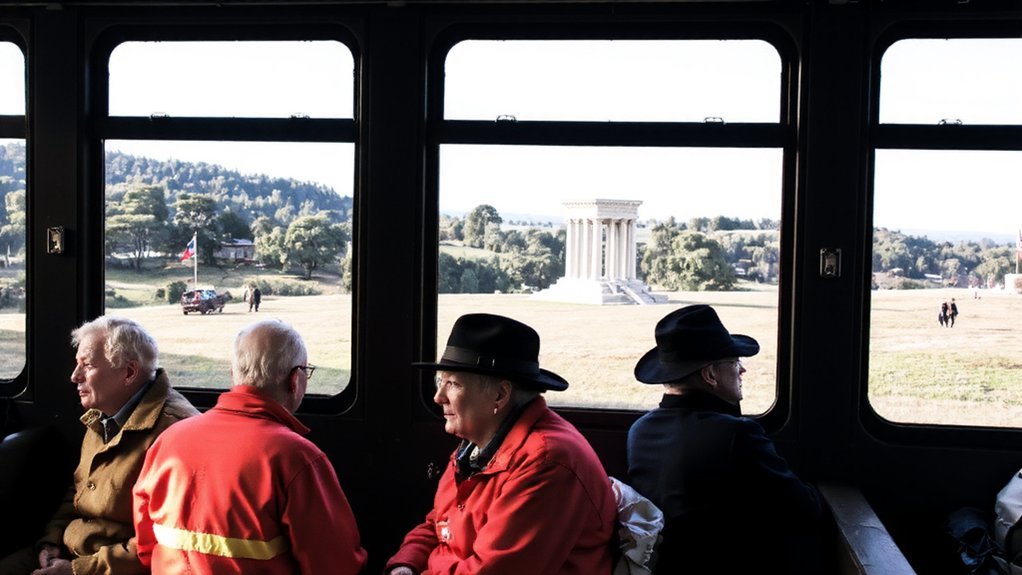
On a bright morning, we often find ourselves standing on the very ground where some of the most famous battles of the Civil War took place, feeling a mix of awe and curiosity. It’s like walking through history, but with a calm, steady respect. These battlefields show us how tactics evolved—early on, armies fought in open fields, but over time, they started using trenches and stronger defenses. We hear stories from eyewitness accounts of soldiers who remembered the chaos and courage during those fights, giving us a clearer picture of what really happened. As we stand there, we see the scars on the land—deep ridges and craters—that tell silent stories of fierce fighting. Walking these grounds helps us understand how tactics changed from simple clashes to more complex strategies, and it reminds us of the bravery of those who fought. It’s honest history, clear and close-up, just how it should be.
The Significance of Key Historic Towns

When we walk through these historic towns, we can’t help but notice the old buildings with their weathered bricks and wooden facades that have stood the test of time, telling stories without saying a word. These places are packed with landmarks and homes where important events took place, and you’d be surprised how many little relics and collectibles are tucked away, just waiting to be spotted. It’s like flipping through a living history book, but better—you get to see it with your own eyes and touch a part of the past.
Preserved Architecture and Landmarks
Some of the towns we visit on our historic bus tours still look just about the same as they did hundreds of years ago, and that’s what makes them special. You can see it in the old brick buildings, narrow streets, and even the lighthouse con conservation efforts that keep these landmarks shining bright. These towns remind us of our industrial heritage too — old factories turned museums, cobweb-covered machinery, and the proud history of making things here before everything moved out of town. Walking through, you see the real stuff — no fake facades — and it’s safe to say that preserving these structures keeps history alive. They tell stories, and we’re lucky to see them standing, sturdy and proud, just like they have for generations.
Notable Events and Collectibles
We often find that the real magic of these historic towns isn’t just in their old bricks or cobblestone streets, but in the stories they tell through the events that shaped our nation. These places hold notable events—soldiers’ letters, debated laws, or a simple town meeting—that help us understand history’s heartbeat. Collectibles like old coins, documents, or souvenirs from local auctions usually come with auction etiquette, so everyone stays respectful when bidding. Restoring techniques are important, too, especially when preserving fragile artifacts or historic buildings; gentle cleaning or careful fixing keeps these items safe for everyone. We’ve seen firsthand how a well-loved town can teach us about history while reminding us to handle its treasures gently and respectfully. It’s all part of keeping history alive and meaningful.
Iconic Sites Preserved for Education and Reflection
A lot of history lives on in the old sites that have been carefully saved for folks like us to see and think about. These are the places where stories from the Revolutionary War and Civil War still echo, and they’re set up to be safe and welcoming for everyone. Many have interpretive programs with guided talks, simple displays, and stories that help us understand what really happened here. You won’t find a lot of confusing signs or jumbled exhibits—just clear, honest info. Plus, most sites have made access improvements so folks with wheelchairs or walking aids can explore comfortably. It’s about making sure everyone gets to see these important places with dignity and ease, no matter their mobility. And that’s why we feel secure and respected when we visit—they’re prepared, they care, and they’re here for us to reflect on the past safely and thoughtfully.
Tips for Planning a Comfortable History Tour
Ever wonder how to make a history outing feel comfortable rather than a test of endurance? The key is planning ahead and keeping safety in mind. First, choose accessible transport that’s easy to get on and off, with enough space for walkers or wheelchairs. We’ve seen folks get stuck trying to squeeze into tight seats, and that’s no way to enjoy the day. Pack medication reminders—trust us, slipping out of a routine can cause more trouble than you think. Remind everyone to bring any necessary pills, and consider carrying a few extras just in case. Make frequent rest stops so everyone can stretch their legs and stay alert. Staying comfortable means everyone stays safe, and a relaxed group takes in more history. With these simple tips, your tour will be about exploring history—and not about battling fatigue or discomfort. In the end, it’s the memories you make, not the aches you leave behind.
Frequently Asked Questions
Are Senior Bus Tours Accessible for Individuals With Mobility Challenges?
Yes, many senior bus tours are wheelchair accessible and welcome service animals, so folks with mobility challenges can join comfortably and safely. We always double-check that transportation has ramps or lifts and that sites have paved paths. We’ve seen folks bring their service animals without a hitch, making the trip more inclusive. It’s all about making history accessible, safe, and enjoyable for everyone—no matter the mobility challenge.
How Early Should I Book a Senior History Tour?
We suggest booking your senior history tour at least a month ahead, especially if you want a specific date or group size, much like reserving seats for a popular play. Reservation windows and lead times are your best friends here—think of them as your safety net to avoid last-minute surprises. Our experience shows that early planning keeps things smooth and secure, so you can focus on enjoying the rich history without any rush or worry.
What Are the Average Cost and Inclusions for These Tours?
On these tours, you’ll find pricing tiers typically range from $50 to $150 per person, depending on how fancy the amenities are—think comfortable seats, guided narration, and meal options. Usually, included amenities are transportation, informative guides, and sometimes snacks or drinks. We’ve found it’s best to pick a tour that offers safe, clean buses, friendly guides, and clear health protocols—because enjoying history means feeling secure every step of the way.
Do Tours Accommodate Special Dietary Needs?
Yes, these tours do accommodate special dietary needs. We’ve seen tour operators make meal customization a priority, whether it’s gluten-free, vegetarian, or allergy-friendly options, all handled with clear allergy protocols in place. It’s about keeping everyone safe and comfortable, so if you’ve got specific needs, just let them know upfront. They’re happy to help, making sure your experience is smooth and worry-free—no surprises, just good food and a safe journey.
Can I Bring Personal Memorabilia or Artifacts on the Tour?
Yes, you can bring personal memorabilia or artifacts with you. We recommend keeping fragile items secure and protected, and if you want, our guides can help with artifact authentication, making sure your treasures stay safe. For photos, we suggest bringing copies for preservation, as actual photos are better kept in a safe place. Our main goal is to keep everyone safe and your keepsakes protected during this journey down memory lane.
Conclusion
Finally, we’ve found that these tours aren’t just about history—they’re about reconnecting with stories that shaped our country, often right where they happened, with a good dose of unexpected charm along the way. It’s funny how a quiet battlefield or a dusty town square can turn into a personal memory, making history feel real and close. So, if you’re looking for a respectful, easy way to step into the past and maybe learn a thing or two, these trips are worth considering.