The Best Fluffy Pancakes recipe you will fall in love with. Full of tips and tricks to help you make the best pancakes.

We’ve seen how accessible bus tours can open up travel for seniors, making it easier to visit new places without the hassle of a car or crammed spaces. From low-floor buses that gently glide onto the curb to easy-to-use lifts for wheelchairs, these trips are built with comfort and safety in mind—and they’re more than just convenient; they’re about reconnecting with the world on your terms. Still, there’s a lot to take into account when choosing the right tour, and that’s what we’re here to explore.
Top Destinations for Accessible Senior Tours
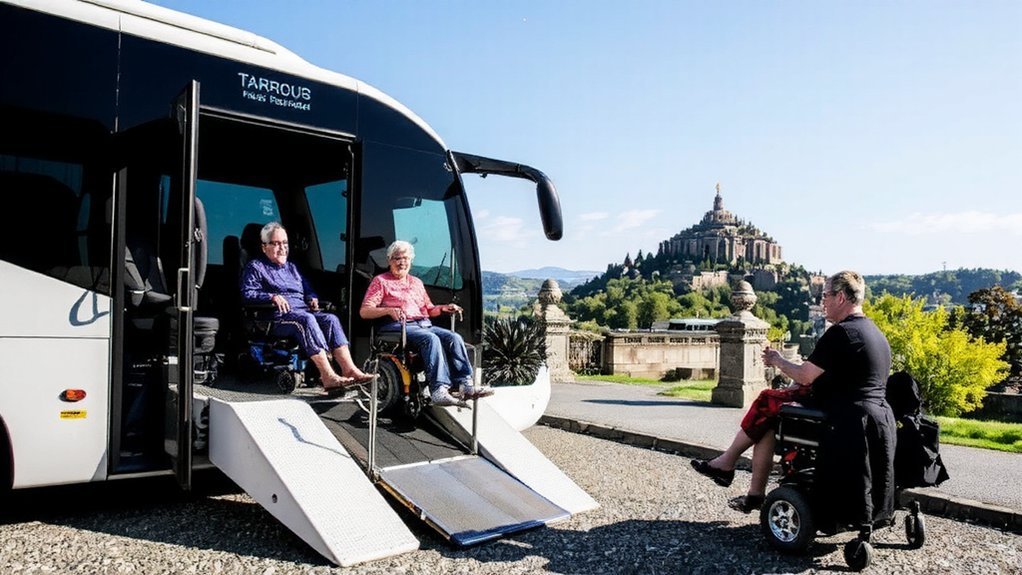
When we start thinking about the best spots for senior bus tours that everyone can enjoy, you’ll find that some destinations simply shine when it comes to accessibility and beauty rolled into one. Botanical Gardens are a prime example — wide paths, sturdy benches, and ramps make wandering through lush plants safe and easy. It’s like walking into a living, breathing postcard, but with plenty of spots to sit and take in the view. Cultural festivals are other great picks—they often set up accessible entrances, plenty of seating, and clear signage so everyone feels welcome. Plus, the energy is contagious, and you get to enjoy local crafts, music, and food without feeling overwhelmed by crowds or tricky terrain. These destinations aren’t just pretty—they’re built with safety and comfort in mind, making sure everyone can join the fun without worry. That’s what makes them perfect stops for senior tours seeking both beauty and peace of mind.
Features to Look for in Mobility-Friendly Bus Services
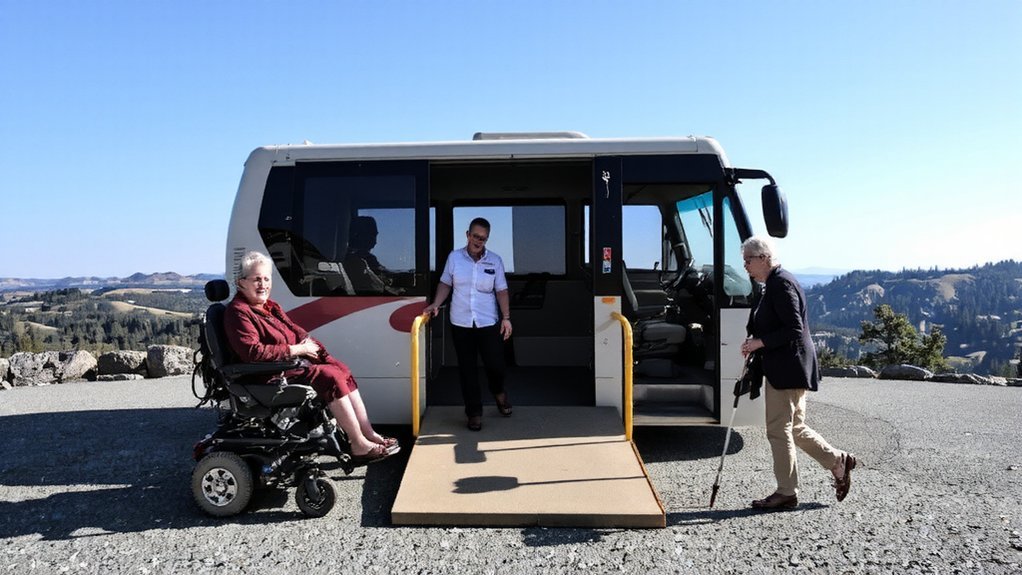
When we’re choosing a bus for seniors, we look for good wheelchair access, because not everyone walks the same or at the same pace, and that ramp better work smoothly with no surprises. Having a lift or ramp that’s easy to use makes a world of difference, especially when someone’s got balance issues or carries a cane, and it shouldn’t slow the whole group down. It’s those simple, solid features that keep everyone comfortable and safe, so everyone gets to enjoy the scenery without worries.
Adequate Wheelchair Accessibility
If we’re talking about making bus trips easier for seniors with wheelchairs, then the first thing to look for is how well the bus handles accessibility. You want to see sturdy, level floors and enough space for a wheelchair to sit comfortably without blocking aisles. It’s also important that staff are well-trained—they should assist politely and confidently, knowing emergency procedures inside and out so passengers feel safe. We’ve all seen buses with crooked ramps or worn-out handrails—they’re safety hazards and can shake confidence. A reliable service keeps my confidence in check by paying attention to these details, making sure our travel is safe and smooth from start to finish. That’s the bottom line — safety and accessibility go hand in hand.
Lift and Ramp Options
Lift and ramp options are the backbone of making a bus trip truly accessible for folks in wheelchairs or those with mobility challenges. When choosing a service, we look for lifts that handle enough weight capacity to feel safe and not worry about squeaks or jigs. It’s smart to check their maintenance schedules— buses that get regular care are less likely to break down or get stuck halfway up. We’ve seen old lifts jam, and that’s a trip spoiled quick. Reliable ramps should deploy smoothly and fold easily, with sturdy handrails to hold onto. We want to see that each bus keeps up with its maintenance, so everyone can travel safely without surprises. After all, the goal’s a smooth, comfortable ride from start to finish.
Types of Accessible Vehicles and Modifications
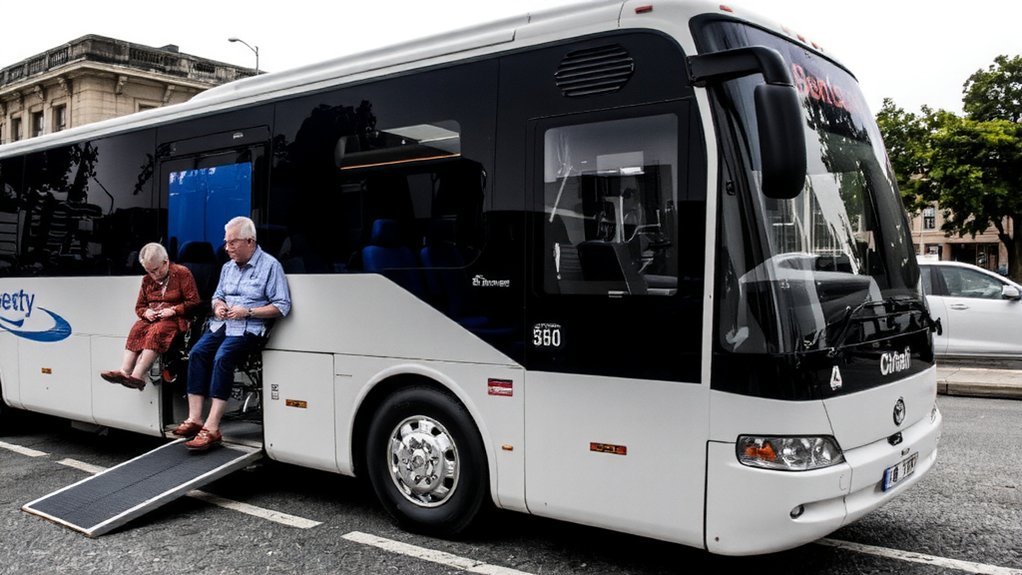
When we think about accessible buses, it’s all about making sure everyone gets on easily and comfortably, like with wheelchair-accessible buses that have ramps and enough space to roll right in. Low-entry vehicle designs are a big help too because they let folks step right in without a giant leap, kind of like a friendly porch step. And because not everyone’s eyes and ears are as sharp as they used to be, audio-visual navigation aids help folks find their seats and get around without feeling lost or left behind.
Wheelchair-Accessible Buses
Wheelchair-accessible buses come in a handful of shapes and sizes, with features built for real folks who need a little extra help getting around. These buses follow strict Regulatory Standards to guarantee safety and comfort, from secure wheelchair tie-downs to wider doors and ramps. You might not notice the upgrades right away, but they’re there to make sure everyone travels safely and confidently. Now, Retrofit Costs vary depending on the bus’s age and the features needed—sometimes it’s a few thousand dollars, other times a little more. While the investment might seem steep, knowing that your loved ones are riding in a vehicle designed with their safety in mind makes it worthwhile. It’s about making sure every journey is steady, secure, and accessible.
Low-Entry Vehicle Designs
There’s a world of ways to make buses friendlier for folks who need a little extra help getting around, and low-entry vehicle designs are at the heart of that effort. We’ve seen how a lowered floor with minimal step-ups, or threshold minimization, can make a big difference in safety and comfort, especially when stepping on or off the bus. To keep these buses steady and safe, we tune the suspension just right, making sure the ride isn’t shaky or jarring—no one needs a rollercoaster ride when they’re just trying to get somewhere. These improvements aren’t just about easier entry; they’re about confidence, knowing each bounce and bump has been thought through. It’s simple—safe, smooth, steady, and tailored for everyone’s peace of mind.
Audio-Visual Navigation Aids
Making buses easier to get on and off is a big step, but we also need to make sure everyone can find their way once they’re inside. That’s where audio-visual navigation aids come in. These devices use clear spoken instructions, often in multiple languages, so folks who speak different tongues can understand easily. Plus, they include haptic feedback—small vibrations through a handle or seat—that can confirm when you’ve reached a stop or need to turn. These features keep safety front and center, helping passengers stay aware without needing to constantly watch a screen or listen intently. We’ve seen firsthand how simple cues like a gentle buzz or simple prompts in multiple languages can make a difference, giving seniors confidence and peace of mind on every trip.
Benefits of Guided Group Travel for Seniors
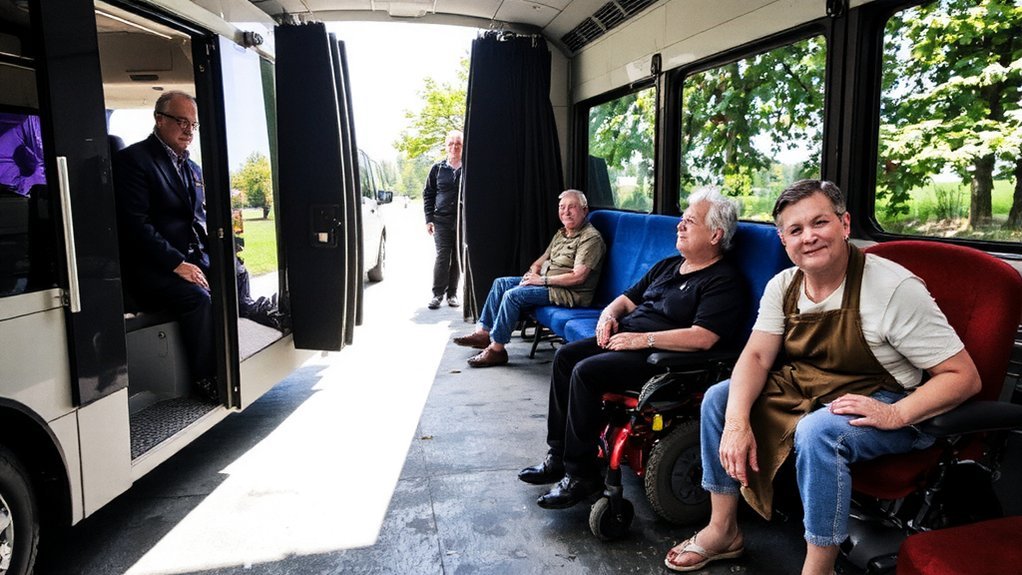
When we go on guided group travel, seniors often find it’s a lot easier and more fun than trying to go it alone. Being part of a group means there’s always someone to talk to, share stories with, or just enjoy the quiet comfort of good company. This kind of social engagement isn’t just about filling time; it helps keep spirits high and minds alert. Plus, having a knowledgeable guide along means we learn things on the spot—boosting our cognitive stimulation, so our brains stay sharp. We don’t have to worry about planning every step or getting lost, which means less stress and more peace of mind. And let’s be honest: there’s nothing quite like seeing a new city or scenic spot with friends, sharing wide smiles and side conversations. Guided group travel makes the journey safer, richer, and honestly, more enjoyable—all without breaking the bank on fancy plans or complicated itineraries.
Tips for Booking and Preparing for an Accessible Tour
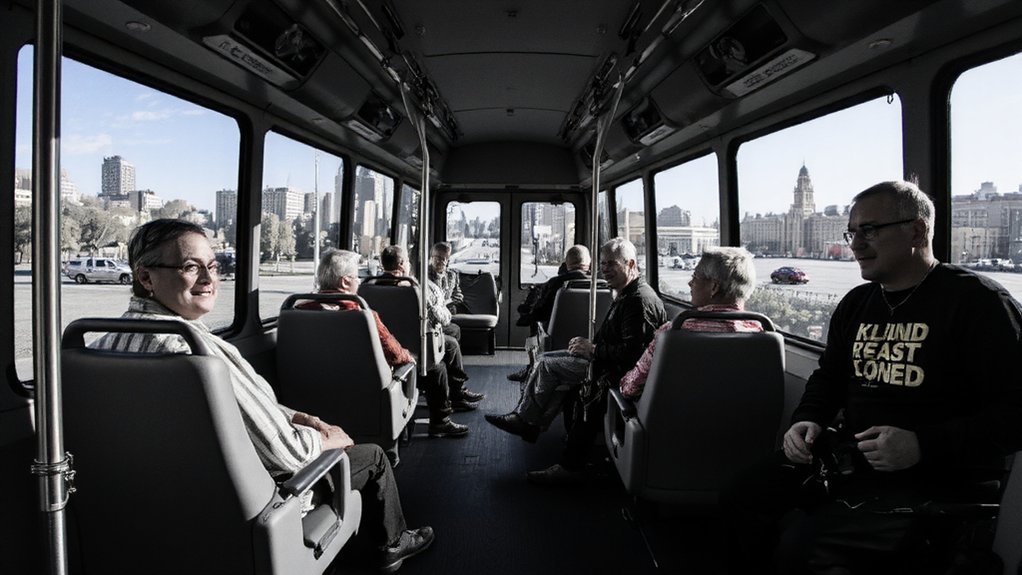
Booking and preparing for an accessible tour might not feel like a walk in the park at first, but with a little know-how, it can become a smooth process that sets the tone for a good trip. First off, always check with the tour provider about accessibility features and ask questions if you’re unsure – it’s better to get details straight from them rather than guessing. When it comes to medication management, pack enough for the entire trip plus a little extra, and keep medications in carry-on luggage for easy access. It’s also smart to carry a list of your prescriptions and dosages, just in case. Don’t forget travel insurance; it’s a safety net that can cover unexpected issues like medical emergencies or cancellations. Making a checklist, double-checking reservations, and confirming all accessibility needs ahead of time help keep stress at bay. A little preparation turns what could be a hassle into a worry-free adventure.
Personal Stories From Seniors Who Have Tried Accessible Tours
Have you ever wondered what it’s really like to take an accessible bus tour as a senior? Well, let us tell you, it’s often more than just seeing new places—it’s about the unexpected friendships that develop along the way. Many of us have found that riding together creates a shared bond, whether it’s swapping stories at lunch or helping each other onto the bus in the mornings. You’d be surprised how quickly those simple acts turn into lifelong memories, the kind you’ll carry for years. Safety’s always at the top of our minds, but it’s comforting to know that these tours are designed with that in mind—easy access, protective features, friendly guides. The best part? You get to experience all this without the worries that can come with traveling alone or in less comfortable settings. It’s genuine, safe, and, quite often, downright heartwarming.
How to Choose the Right Tour for Your Needs
Choosing the right tour isn’t just about picking a spot on the calendar or a brochure that looks nice; it’s about making sure the trip fits what you’re comfortable with and what you need. We’ve learned that safe, stress-free travel comes from planning ahead—making sure the tour’s pace matches your activity preferences and that it doesn’t push you beyond your limits. Budget planning is also key; some trips seem affordable until extra costs pop up, like needing special assistance or more time at restful spots. Think about what kind of scenery or experiences make your heart happy, and find tours that include those. Don’t be shy about asking questions—like, what’s the walk to the bus like or how much walking is involved? Picking carefully means smoother days, fewer surprises, and a trip that feels just right—like it was made for you, not just anyone.
Frequently Asked Questions
Are Accessible Tours Suitable for Seniors With Cognitive Impairments?
Accessible tours can be safe for seniors with cognitive impairments if they include guided routines and memory aids, like visual schedules or simple reminders, to keep everyone focused and comfortable. We’ve seen how clear signals and steady pacing help folks stay relaxed. When tours are designed thoughtfully, with plenty of gentle guidance and familiar cues, seniors feel more secure and able to enjoy the trip without worry, just like visiting an old friend.
What Insurance Options Are Available for Accessible Bus Tours?
About 60% of bus companies now include liability coverage and equipment coverage, making safety a top priority. For accessible tours, these insurances help protect everyone—drivers, seniors, and organizers—should accidents happen. We always double-check that our tour providers have solid liability coverage, so if a slip occurs, we’re covered. And equipment coverage keeps the specialized lifts or ramps in good shape, so folks stay safe and comfortable if something goes wrong.
How Do I Handle Medical Emergencies During a Tour?
When a medical emergency hits on a tour, we stay calm and follow our emergency protocols—first, call for help and assess the situation. We always have a well-stocked med kit checklist ready, containing essentials like bandages, antiseptic wipes, and basic pain relief. Knowing where the closest medical facility is and having contact info handy keeps us prepared. It’s about being steady, knowing what to do, and making sure everyone feels safe.
Are There Budget-Friendly Accessible Tour Options?
Yes, there are budget-friendly accessible tour options that won’t break the bank. We’ve seen group discounts come in handy, making outings more affordable for everyone, and wheelchair rentals add to the savings without sacrificing comfort. It’s like finding that cozy old shoe that fits perfectly—reliable and just right. We’re careful to pick companies that put safety first, so you can stay relaxed and enjoy the ride, knowing your needs are covered.
Can Tours Accommodate Specific Dietary Restrictions?
Yes, most tours can handle specific dietary restrictions, thanks to menu customization and allergen labeling. We’ve been on trips where they asked about gluten or nut allergies, and they brought out special meals or labeled dishes clearly—no surprises that could upset a sensitive stomach. It’s all about clear communication and planning ahead, making sure everyone’s safe and comfortable. It’s these small touches that show they really care about the whole person, not just the sights.
Conclusion
In the end, choosing an accessible bus tour is like planting a seed—you get to enjoy the journey without worries, making great memories along the way. It’s about seeing the world on your own terms, with comfort, safety, and company to share it with. Like the old saying goes, “The journey of a thousand miles begins with a single step,” and taking that step with the right tour makes all the difference.