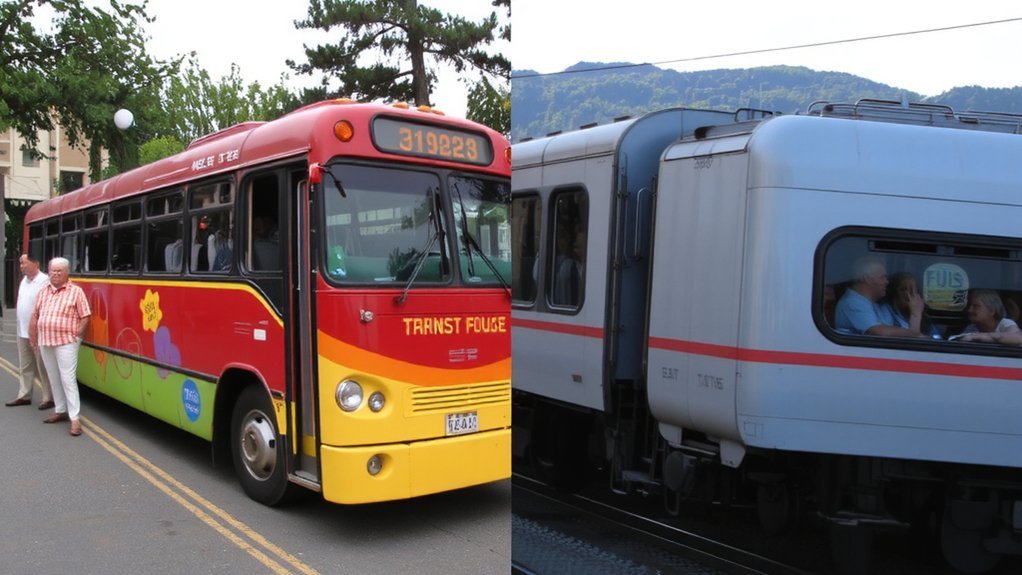
When we look at senior bus tours and train travel, it’s clear both have their charms and quirks—bus tours are great for feeling part of a group, snagging guided visits to local spots, and having seats that won’t leave you crammed. Trains, on the other hand, offer smooth rides with plenty of room to relax, plus the freedom to hop off at scenic stops without the whole bus waiting. There’s no perfect choice, but knowing what suits your style makes all the difference.
Comfort and Accessibility
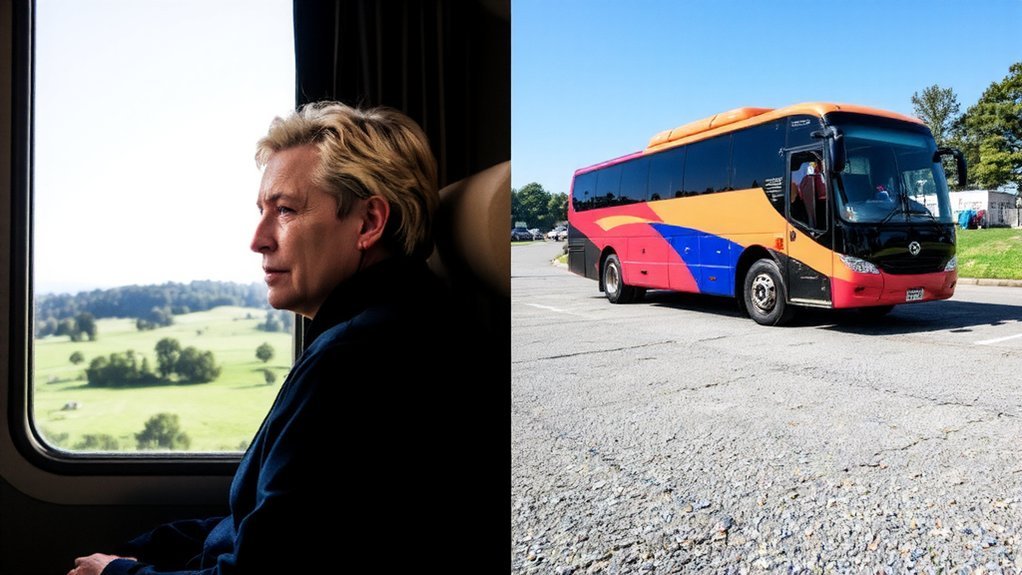
Have you ever noticed how some trips just seem to hit all the right buttons when it comes to comfort? When traveling with seniors, comfort and accessibility matter more than ever. Bus tours usually have plush seats that are easy to get into, with plenty of legroom, and handrails where you need ’em. The ride smoothness on a tour bus is often quite good, especially on well-maintained roads, which means fewer jolts and less fatigue. Noise levels are also generally manageable—quiet enough to hold a chat or enjoy some music without shouting. Trains, on the other hand, tend to be even more stable, gliding smoothly along the tracks, which can be a real bonus for those with balance issues. And lots of trains have fewer stops and less crowd noise, making it easier for everyone to relax. Both options keep safety in mind, giving you peace of mind while you enjoy the journey.
Cost Considerations
When it comes to choosing between a bus tour and train travel, cost is a big factor that can make or break the trip for many seniors. We understand you want safe ways to see the sights without pulling out your hair over hidden fees. Bus tours often have straightforward fare structures, meaning what you see is what you pay, but watch out for extra charges like tips, entry fees, or optional upgrades that aren’t always clear upfront. Trains, on the other hand, might seem more economical at first, with simple ticket prices, but some routes add surcharges for seat reservations or peak travel times—those sneaky hidden fees can add up fast. It pays to ask questions and read the fine print. No matter which you choose, being aware of fare structures and hidden fees keeps surprises at bay and your budget intact. That’s the safest way to travel happily with peace of mind.
Sightseeing Opportunities
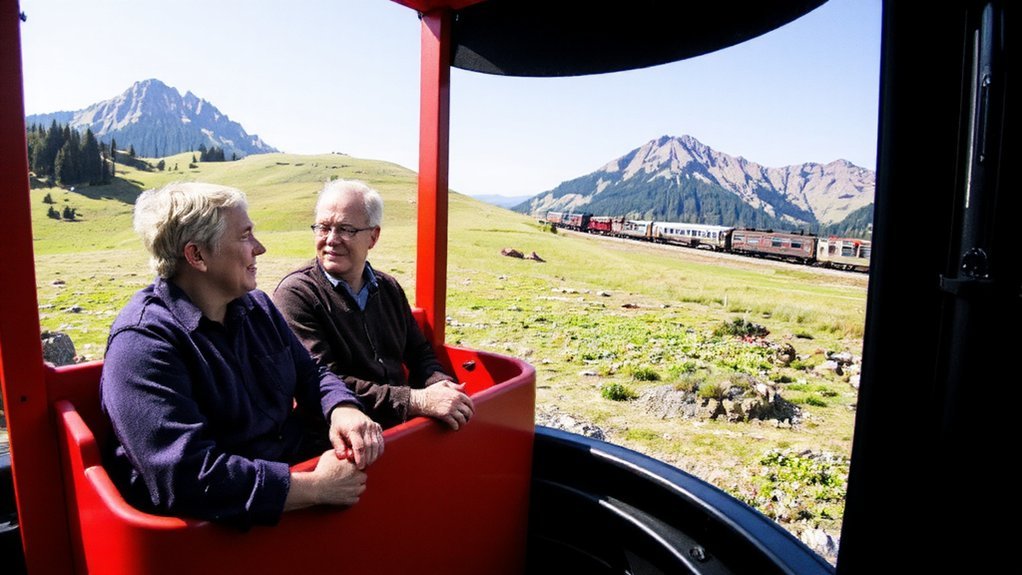
While cost matters, so does what kind of sights we get to see on our trips—after all, what’s the point of traveling if you miss out on the really good stuff? We want to enjoy the journey safely, and that means choosing trips that include rich cultural highlights and famous historical landmarks. With bus tours, you often get a planned route that takes you to well-known spots—you’ll see the old town square, landmarks with stories that date back centuries, or maybe a famous museum packed with local history. Trains, on the other hand, give you a different perspective—gliding past scenic landscapes and giving you the chance to look out the window at historic sites along the way. Both options keep things simple and safe, making sure everyone stays comfortable. We’ve found that whether you’re marveling at a castle or strolling through a city square, a good sightseeing plan is all about those memorable sights that stay with you long after the trip ends.
Flexibility and Freedom
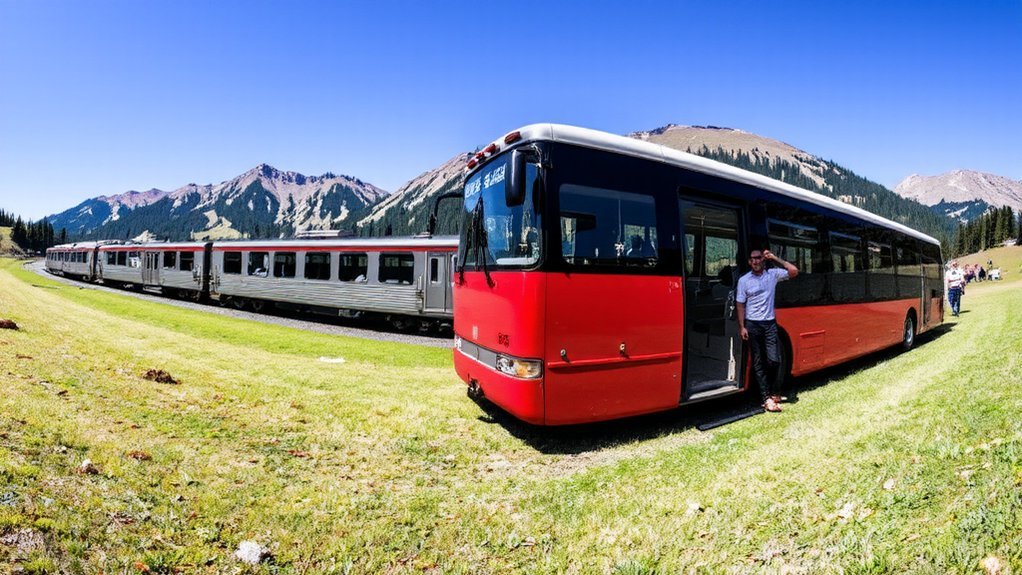
Ever wonder if you can really call a trip flexible when you’re stuck on a bus with a fixed route? It’s a fair question, especially if safety matters most. With a bus tour, you’re mostly along for the ride, and the pacing is determined by the schedule. You’re limited in route freedom because the bus sticks to its plan, making it hard to explore that hidden museum or take a last-minute detour you didn’t plan on. Now, train travel offers some different options. Trains often run on more flexible schedules, and since they connect city centers, you can hop off at stops that catch your eye—no need for a long bus ride back to the main route. Pacing control on trains might be more relaxed, giving your trip a steadier rhythm. So, if freedom and making your trip your own matter a lot, trains often give you more control without compromising your safety.
Social Interaction and Group Dynamics
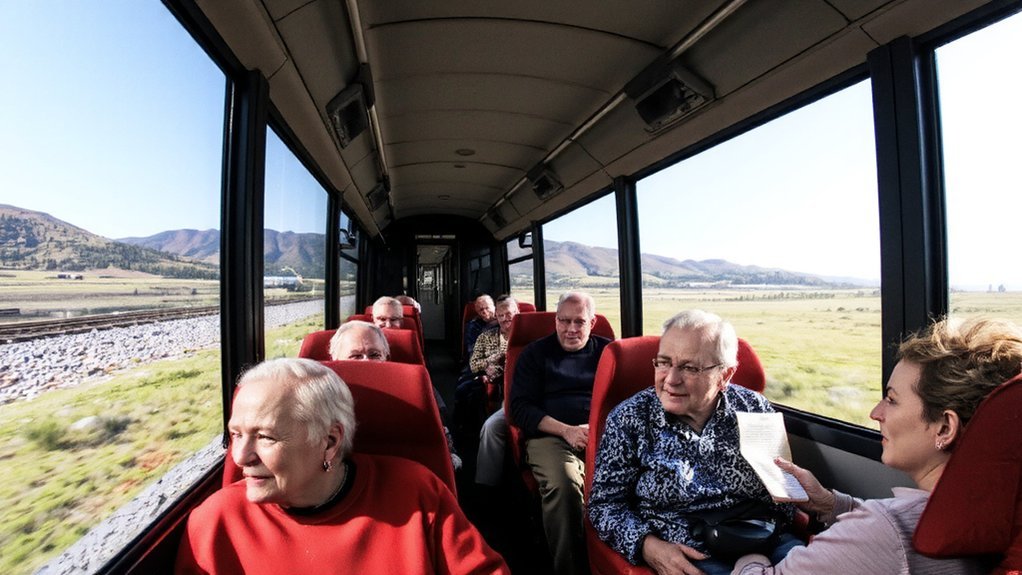
When we’re traveling in groups, the size can really make a difference—smaller groups often mean tighter bonds, but bigger groups can pack in more shared stories and laughs. We notice that when there are activities like group dinners or singing along with a tour guide, people seem to warm up faster and stick together through the trip. It’s those chances to chat, swap tips, or just enjoy the same view that turn a simple journey into a little community—like visiting with friends you didn’t know you had yet.
Group Size and Bonding
Traveling in a big group can feel a lot different depending on whether you’re on a bus or a train, but one thing’s for sure: the size of the group shapes how people bond and interact. On a bus, the whole group sticks close, so leadership roles often pop up naturally—someone takes charge, suggests routes, keeps the mood steady. This can help folks feel safe and part of something larger. But it also calls for good conflict resolution; if someone gets cranky or a disagreement sparks, having a calm voice and clear rules keeps things smooth. Trains, with their more private compartments and smaller gatherings, tend to let folks travel at their own pace, making bonding more personal and less crowded. Either way, the key is balancing safety, camaraderie, and everyone feeling heard.
Social Activities and Engagement
Social activities during group travels can really shape how everyone connects, whether you’re on a bus or a train. For instance, we’ve found that some trips include lively Game Nights, where folks team up and share laughs, making strangers feel more like friends. Then, there are Art Classes—good for expressing creativity safely while chatting easily with others. We also see that shared meals can turn into social anchors, where stories flow over familiar dishes. Plus, organized walks at scenic stops encourage friendly chatter, helping folks feel comfortable. These activities create a sense of community, which is key for safety and fun. Whether it’s a simple game or a paintbrush in hand, the goal’s the same: building trust and making the journey memorable.
Interaction Opportunities During Travel
As folks settle into their group trips, the real magic happens in how people connect with each other, no matter if they’re riding a bus or catching a train. Both travel options offer chances for friendly chats and shared moments, but trains often have the edge with digital connectivity. Many trains now feature interactive kiosks, where travelers can get information, swap stories, or just scroll through photos, making it easier to bond safely and comfortably. Buses tend to be more straightforward, but they still foster interaction—sit nearby, join a sing-along, or share snacks. The key is knowing that these opportunities help build group camaraderie, and with safety always front and center, they’re a way to make your trip more memorable without risking your comfort.
Scenic Appeal and Travel Experience
Have you ever noticed how some trips just seem to stick with you? It’s those moments when the scenery really grabs your attention, and that’s where travel experience comes into play. When traveling by bus or train, the view out the window matters, and both options try to catch your eye differently.
Here’s what makes the scenic appeal stand out:
- Panoramic windows – On trains, these really show off the landscape, making you feel like you’re part of the view. Buses often have large windows but aren’t quite as expansive.
- Vehicle aesthetics – Old-fashioned charm on a bus or sleek modern train? It affects how safe and cozy you feel as you roll along.
- Route choices – Trains often follow scenic tracks, winding through mountains or alongside lakes, while bus routes tend to be more flexible but sometimes less picturesque.
- Travel pace – Trains often glide smoothly, allowing you to relax and take in the scenery, while buses can be more jolting but more direct.
Both options give beautiful sights—just in different ways—that keep the travel experience memorable.
Convenience and Planning Aspects
Thinking about convenience and planning, it’s clear that both senior bus tours and train trips have their own quirks that can make or break the journey before it even starts. With bus tours, we’ve learned to keep an eye on reservation timelines because they fill up quicker than you’d think, especially during busy seasons. Planning ahead is key to snagging a spot and avoiding last-minute stress. On the other hand, trains usually give you a little more wiggle room—reservations can often be made closer to departure, making last-minute plans easier. But both options have baggage restrictions, so packing smart and light is always wise. You don’t want to be that person hauling a giant suitcase onto a bus or trying to squeeze everything into overhead compartments. When safety and predictability matter most, knowing these details helps us feel confident and ready, instead of rushing around at the last minute.
Frequently Asked Questions
Are There Specific Destinations Better Suited for Bus Tours or Trains?
Certain destinations like coastal towns and mountain villages suit bus tours better because they often have narrow, winding roads that we’d rather not tackle on a train. Trains shine in open country routes, giving you sweeping views without safety worries. We’ve found that choosing depends on the place—bus tours feel snug in tight spots, while trains are safer and smoother to see big, scenic stretches from afar.
How Do Travel Durations Compare Between Bus Tours and Train Trips?
On average, train trips tend to be faster than bus tours because trains have a higher average speed and follow direct routes, cutting down transit time. Buses, while more flexible with stops, often take longer—think of those scenic detours or slow city streets. When safety’s a priority, trains usually offer a steadier ride, reducing the risk of sudden jolts or delays that sometimes happen on buses.
What Safety Features Are Standard on Buses Versus Trains for Seniors?
On buses, safety features like emergency systems—think of bright, easy-to-access alarms—and well-trained staff who know how to handle bumps and mishaps are standard. Trains also boast strong safety records, with automatic braking systems and staff trained in emergencies. Both options focus on safety, but we’ve found that buses often have more visible safety measures, giving seniors a bit more confidence when rolling down the road.
Can You Customize Itineraries on Train Journeys Like on Bus Tours?
Yes, you can customize train journeys much like bus tours, especially with options like flexible routing and private excursions. We’ve traveled on trains that let us skip the crowds or stop longer at places we loved, all safe and comfortable. Trains offer a smooth, steady ride where you can pick your stops, enjoy a relaxed pace, and have the peace of mind knowing safety features are built in while exploring at your own rhythm.
How Do Accessibility Options Differ Between Bus Companies and Train Operators?
Accessibility options differ a great deal between bus companies and train operators. We’ve seen train stations offer better boarding assistance, with staff ready to help you get on and off safely, and clear visual signage that’s easy to read even with less-than-perfect eyesight. Buses usually have fewer accommodations, so it’s wise to check in advance and chat with staff about specific needs. We’ve learned the hard way, those little details can make or break your trip.
Conclusion
In the end, whether you choose a bus tour or a train trip, it’s all about what makes you feel comfortable and excited for the journey. We’ve seen how buses give you group chatter and guided tours, while trains offer a more relaxed, scenic ride that might let you jump off for a quick peek. Neither is perfect—just like life, really—but both can give you a good story to tell later. It’s your trip, your choice.
